Selling a West Side multi-family can feel like a balancing act. You want the building to show well, respect your tenants’ routines, and avoid last-minute surprises that slow down a deal. The good news is that in Providence’s older housing stock, a smooth sale usually comes from smart preparation, not an expensive overhaul. If you focus on compliance, presentation, and a clear access plan, you can make the process more efficient and more credible to buyers. Let’s dive in.
Why West Side prep works differently
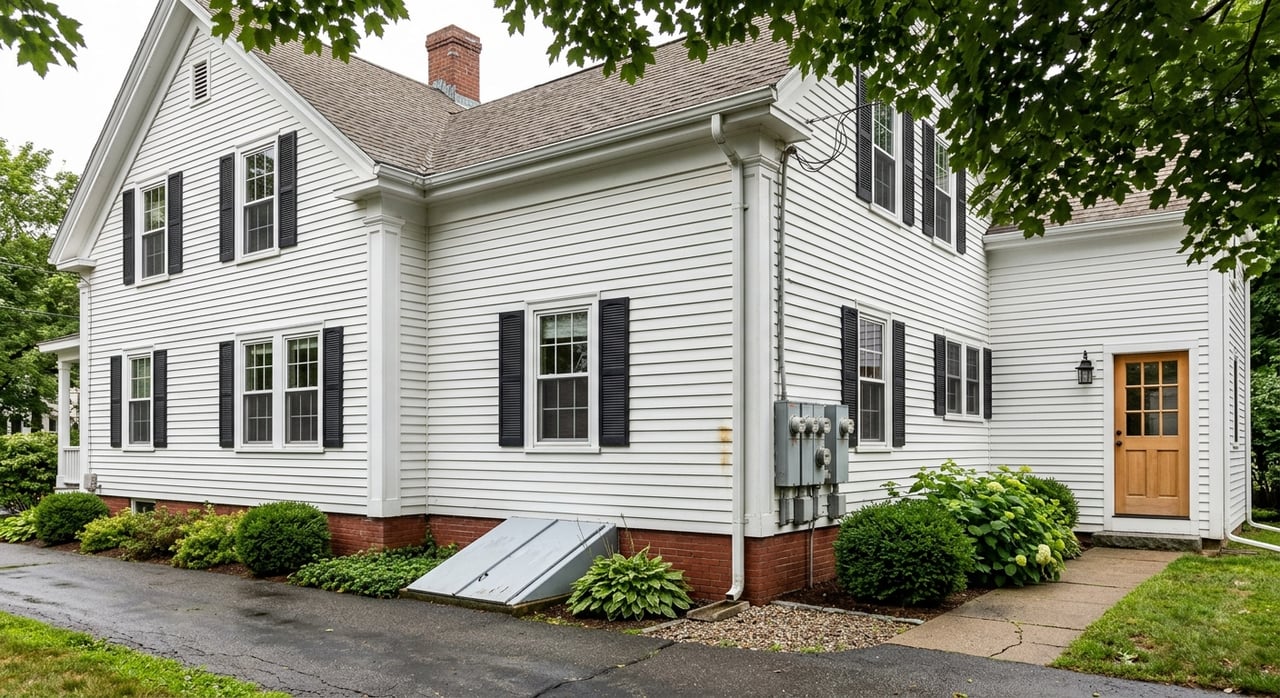
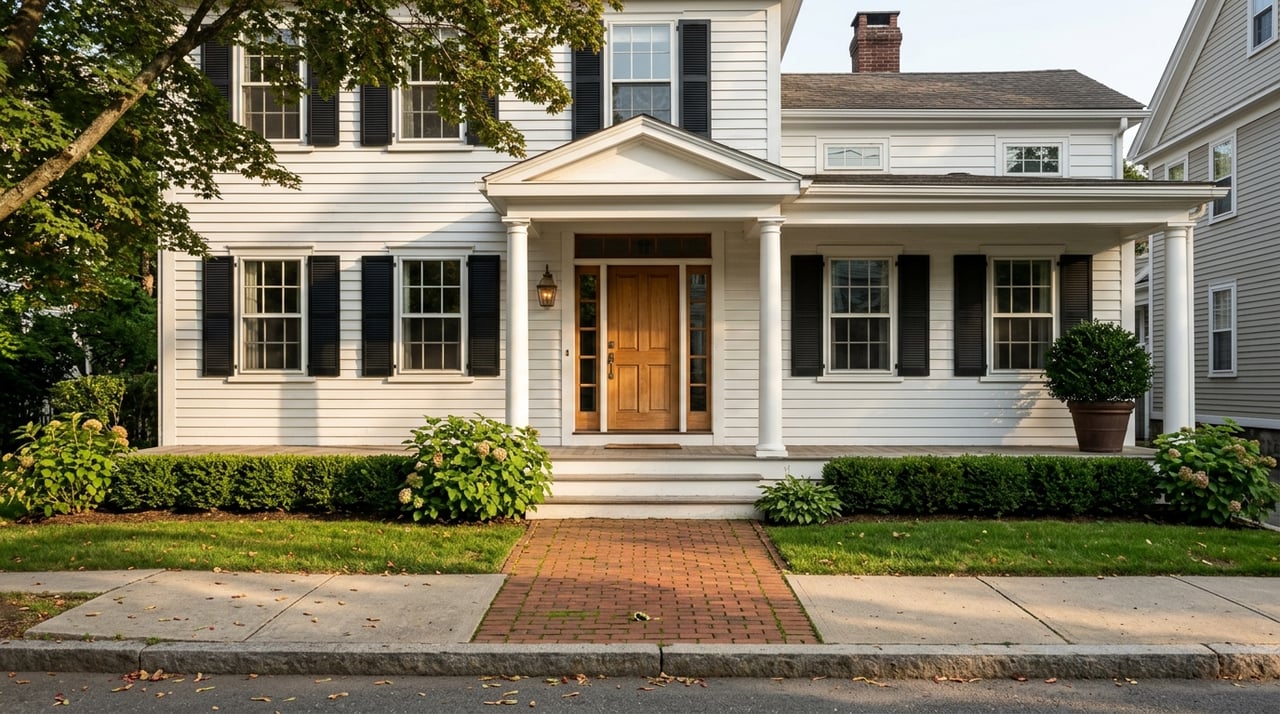
Providence’s West Side includes a large share of older housing built between the Civil War and the Great Depression. In the West End, that often means a mix of former single-family houses converted to apartment use along major streets, along with two- and three-family homes on side streets.
That context matters when you prepare for sale. In many cases, buyers respond more strongly to a property that feels well maintained, organized, and easy to manage than to one with costly upgrades that do not match the building or area. For many sellers, the goal is not a total reinvention. It is reducing friction and building confidence.
Start with compliance first
Before you think about paint colors or listing photos, begin with the basics that can create delays. Providence’s Department of Inspections and Standards handles property-maintenance issues, and unresolved concerns can escalate from warnings to formal violations, fines, and housing court.
For an older multi-family, this makes early repair triage especially important. If obvious issues are still visible when buyers first walk in, they can shape the entire showing. A clean first impression starts with addressing what could raise questions from both inspectors and buyers.
Focus on visible repair items
Providence housing materials have flagged stairs, railings, porches, paint, and overgrowth as recurring concerns in older rental housing. These are often the best first-pass items because they are easy to see and can affect buyer confidence quickly.
Start by walking the property as if you were seeing it for the first time. Look closely at entry steps, porch surfaces, railings, trim, peeling paint, and exterior tidiness. Inside, pay attention to common hallways, basement paths, and utility areas.
Check historic district status early
Some West Side properties fall within local historic zoning districts, including areas such as Armory and Broadway. If your building is in one of these districts, exterior work may require a Certificate of Appropriateness from the Providence Historic District Commission before work begins.
That matters because the city’s standards say exterior building permits in local historic districts cannot be issued without that certificate. Before spending money on exterior changes, confirm whether your property is in a district and whether approval is needed. That one step can help you avoid wasted time and expense.
Build inspections into your timeline
A smooth sale usually follows a calendar, not a scramble. One of the most useful ways to stay ahead is to identify which fire-safety inspection applies to your property before marketing starts.
For properties with four or more units, the Providence Fire Department lists a Life Safety Inspection related to the transfer or sale of 4+ unit or commercial property. For smaller residential properties, the Providence Fire Prevention Bureau says smoke and carbon monoxide detector inspections are required on homes being sold.
Schedule before photos and showings
These inspections should not be an afterthought. If you wait until the property is already active, you increase the chance of delays just as buyer interest starts building.
Instead, leave room in your pre-listing schedule for the appropriate inspection, along with any follow-up work that may come out of it. That approach creates a more orderly launch and helps you avoid avoidable disruptions once buyers begin touring the building.
Prioritize cosmetic updates with leverage
For a West Side multi-family, the highest-value cosmetic work is often simple and practical. You usually do not need a full renovation to improve the property’s marketability.
Shared spaces tend to do a lot of heavy lifting. Buyers often read those areas as a signal of how the building has been managed over time.
What to improve first
The most useful presentation updates often include:
- Fresh paint in common areas
- Working, brighter lighting
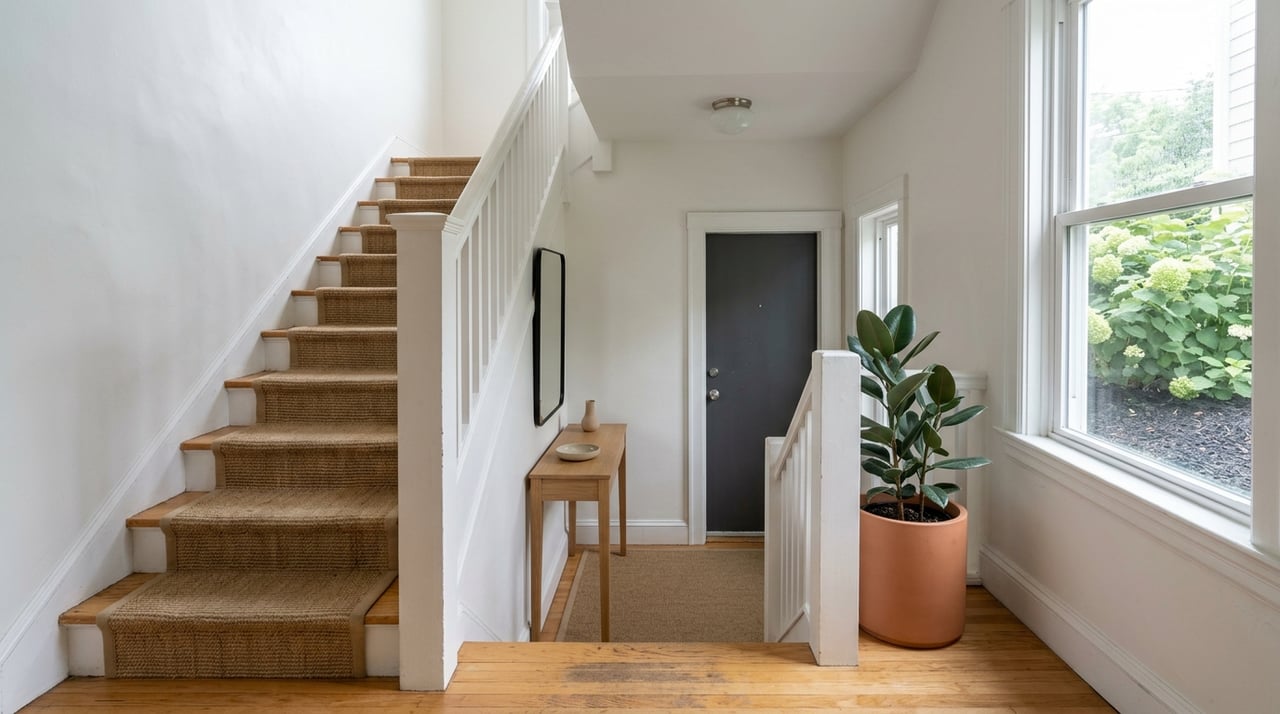
- Clean stairs and hallways
- Repaired handrails
- Uncluttered entries
- A tidy basement or utility area
These fixes support a stronger showing because they make the building feel cared for and easier to understand. In older properties especially, order and maintenance can be more persuasive than flashy finishes.
Keep the scope realistic
If your main goal is a smoother sale, focus on repairs and presentation that reduce buyer hesitation. Expensive remodeling may not be necessary, particularly if it does not align with the building’s current condition or the expectations of buyers in this part of Providence.
A practical plan often delivers better results than a broad one. When the property feels safe, clean, and well managed, buyers can focus on the opportunity rather than the to-do list.
Create a tenant-friendly access plan
If your multi-family is tenant occupied, access needs to be handled carefully. Rhode Island’s Residential Landlord and Tenant Act says that, except in emergencies or impracticable situations, a landlord must give at least two days’ notice before entering and may enter only at reasonable times.
The law also allows entry to show a dwelling unit to prospective or actual purchasers, mortgagees, tenants, workers, or contractors. In practice, that means a strong sale plan should be organized around notice, predictability, and respect for your tenants’ routines.
Group access into clear windows
Rather than arranging one-off visits throughout the week, it is often smoother to batch activity into predictable access windows. That can include repair days, photography blocks, inspection appointments, and showing periods.
This kind of structure helps reduce confusion and repeated disruption. It also lowers the chance that a contractor, inspector, photographer, or buyer arrives at the wrong time.
Use written notice and a shared calendar
Written notice is a smart way to keep communication clear. A simple schedule can help you track who needs access, when notice must go out, and what work needs to happen first.
For remote owners or busy landlords, this kind of project management is not just convenient. It can be a major part of keeping the sale on track, especially in older buildings where multiple vendors may need to work in sequence.
A simple pre-listing sequence
If you want a practical roadmap, this is a solid order of operations:
- Confirm whether the property is in a local historic district.
- Identify any visible maintenance issues, especially stairs, railings, porches, paint, and overgrowth.
- Determine which fire-safety inspection applies based on unit count.
- Schedule compliance-related inspections early.
- Complete targeted repairs before cosmetic finishing.
- Refresh common areas with paint, lighting, and cleanup.
- Organize tenant notices and showing access windows.
- Prepare the property for professional photography and launch.
This sequence helps you solve the issues most likely to create delays before you spend energy on marketing details. It also supports a more credible presentation once the property hits the market.
What buyers want to see
When buyers tour a West Side multi-family, they are often looking for signs that the building has been maintained with consistency. They notice whether common spaces are bright, whether railings feel secure, whether entries are clear, and whether the basement or utility area feels orderly.
In other words, buyers are not only evaluating the property itself. They are also reading the management story behind it. A building that feels organized and cared for often creates more confidence than one with cosmetic upgrades layered over unresolved basics.
Why project-managed selling helps
For many multi-family owners, especially remote or time-pressed sellers, the challenge is not knowing what to do. It is coordinating the many moving parts in the right order.
That is where a hands-on, project-style listing approach can make a real difference. When repairs, vendors, inspections, photography, and access are coordinated through one clear plan, the process tends to feel calmer and the final presentation tends to be stronger.
If you are preparing a West Side multi-family for sale, the goal is a property that feels compliant, clean, and easy to understand. With the right sequence, you can avoid unnecessary work, reduce disruption, and bring the building to market with more confidence. If you want a calm, organized plan for your Providence sale, Sabine Green can help you coordinate the process from preparation through launch.
FAQs
What should you fix first before selling a West Side multi-family?
- Start with visible items that buyers and inspectors notice quickly, such as paint, trim, railings, stairs, porch surfaces, entry lighting, and cleanup in common areas.
Do you need a full renovation to sell a Providence West Side multi-family?
- Usually not. In older West Side housing, visible maintenance, clean shared spaces, and an organized presentation often matter more than a major remodel.
How much notice do tenants need before showings in Rhode Island?
- Rhode Island law says that, except in emergencies or impracticable situations, a landlord must generally give at least two days’ notice before entering and may enter only at reasonable times.
What inspection should you schedule before selling a Providence multi-family?
- That depends on unit count. For 4+ unit properties, the Providence Fire Department lists a Life Safety Inspection for transfer or sale, while smaller residential properties require smoke and carbon monoxide detector inspections.
Why should you check historic district rules before exterior work in Providence?
- If the property is in a local historic district such as Armory or Broadway, exterior work may require a Certificate of Appropriateness before work begins, and exterior permits cannot be issued without it.