Thinking about buying a multi-family on Providence’s West Side? It can be a smart way to build flexibility into your housing plan, whether you want to live in one unit, lease the others, or take on a property with long-term upside. But on the West Side, older housing stock, zoning rules, taxes, parking, and compliance details matter just as much as the asking price. If you understand those moving parts early, you can make a much more confident decision. Let’s dive in.
Why West Side multi-families stand out
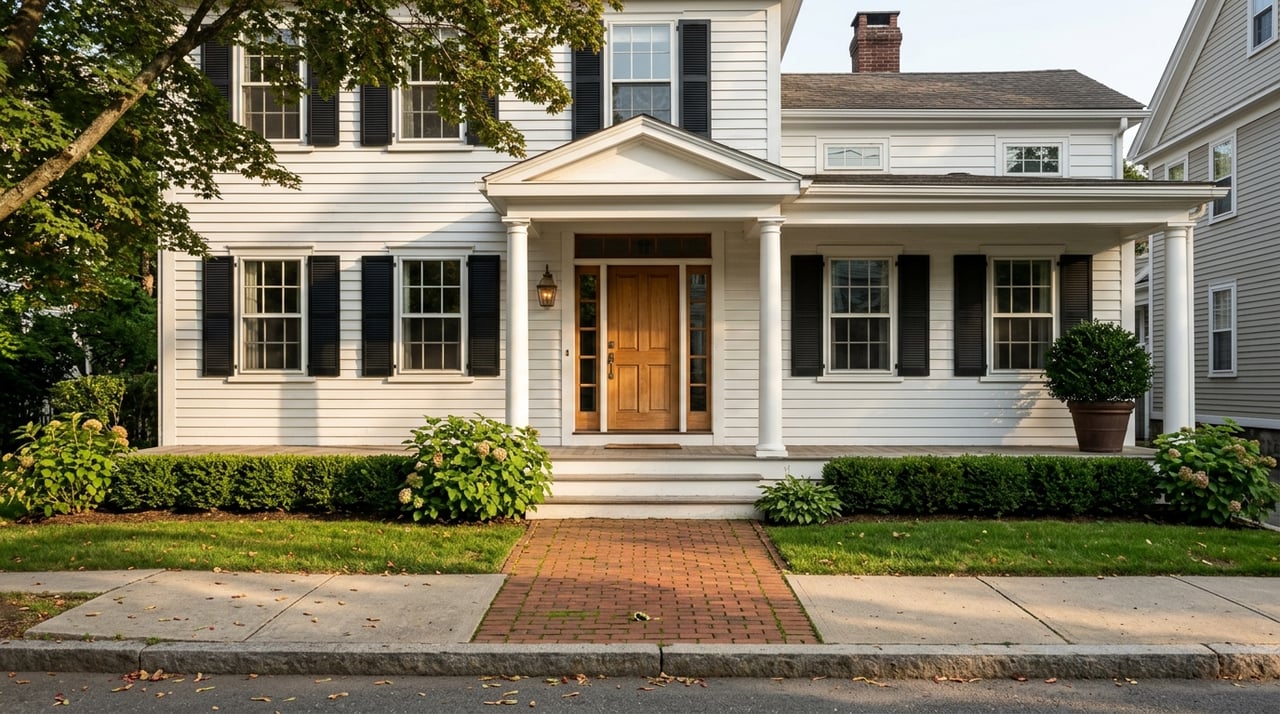
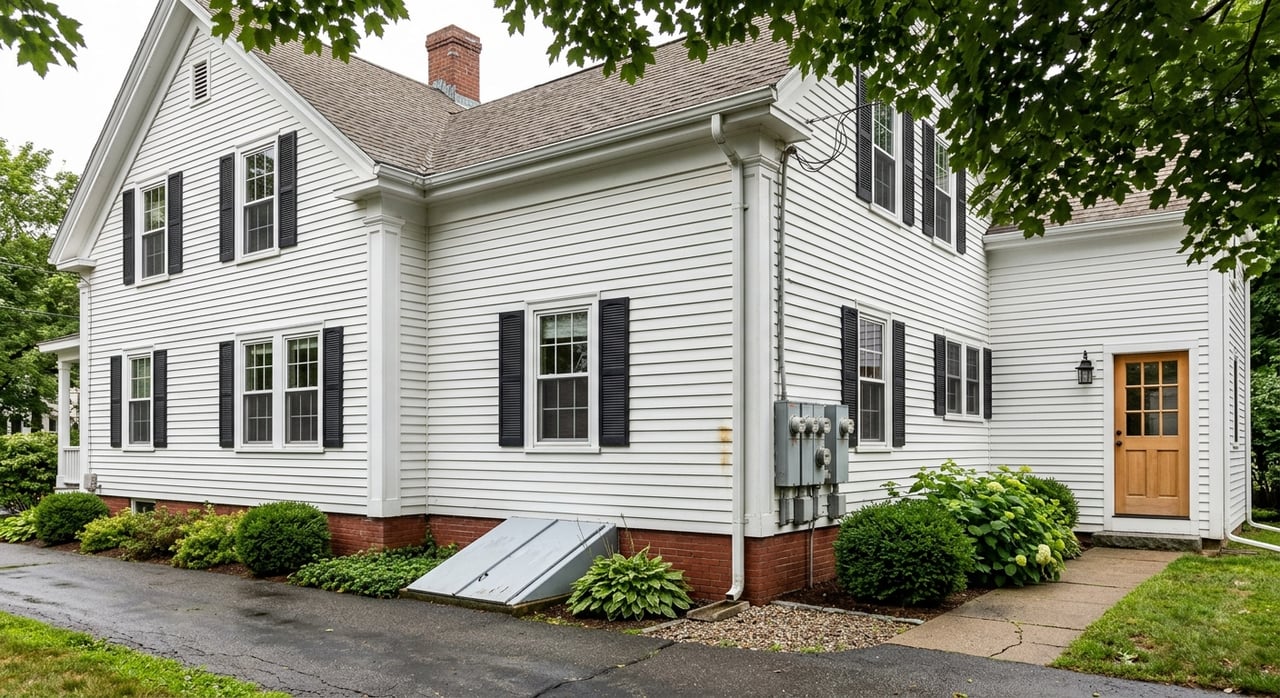
Providence’s West Side has a housing pattern that makes multi-family buying especially relevant. The area developed largely between the Civil War and the Great Depression, with a rectilinear street grid, former single-family homes converted to apartment use on major streets, and two- and three-family houses on many side streets.
That means you are often buying into a neighborhood with established building forms and older construction. It also means each property can have its own quirks, from layout changes made over time to limited off-street parking and systems that may have been updated in stages.
For many buyers, that mix is part of the appeal. You may find architectural character, flexible use, and income potential in one purchase, but you also need to evaluate the building with a practical eye.
Start with the building, not the finishes
A pretty kitchen is nice, but on a West Side multi-family, the core systems deserve your attention first. Providence’s housing data shows that more than 80% of units were built before 1979, and the city identifies aging housing stock and deferred maintenance as persistent challenges.
In plain terms, many properties need more than cosmetic work. Before you get attached to paint colors or cabinet hardware, look closely at the condition of the roof, boiler or HVAC, electrical service, plumbing, windows, insulation, and basement.
Basement moisture is especially important to watch. Providence has noted that aging sewer and stormwater infrastructure can contribute to basement flooding, sinkholes, and contamination during heavier storms, so drainage, grading, sump pumps, and moisture control should be part of your due diligence.
Common rehab items to budget for
On older West Side multi-families, buyers often need to plan for updates like:
- Roof repair or replacement
- Boiler or HVAC upgrades
- Electrical service improvements
- Plumbing repairs or replacement
- Window upgrades
- Insulation work
- Basement moisture control
- Lead-safe repairs
Not every building will need all of these, of course. Still, it helps to budget with the age of the housing stock in mind rather than assuming an older property will be turnkey.
Verify zoning before making plans
One of the biggest mistakes buyers make is assuming the current or future use is automatically allowed. Providence Planning maintains the zoning ordinance and land-use regulations, so if you are counting on a conversion, expansion, or change in unit count, you should verify the parcel-specific zoning before moving forward.
This is especially important if your strategy depends on adding value through more units or altered use. Providence’s zoning ordinance says that multifamily dwellings in some residential districts may require a special use permit, may be limited to three stories, and can include a short-term rental prohibition as a permit condition.
So if your numbers only work because you plan to add a unit, expand into an attic, or shift how the property is used, confirm that path early. It is much better to know before you close than after.
Understand rental demand realistically
Rental demand on the West Side is not just about address. Providence’s housing plan says there is an insufficient supply of affordable, habitable housing, and that lower-cost rental stock is both low-quality and in short supply.
For you as a buyer, that suggests a well-updated two- or three-family may attract interest because of its condition and management quality, not just because it is on the West Side. Clean systems, sensible maintenance, and a clear parking plan can make a meaningful difference in how a property performs.
It also helps to avoid projecting a suburban standard onto an urban neighborhood. Many West Side streets rely heavily on on-street parking, and the tenant experience may depend more on realistic expectations and solid upkeep than on large yards or abundant private parking.
Parking matters more than you think
On the West Side, parking is not a side detail. The neighborhood plan notes that street parking exists on one or both sides of most streets, which makes it a real part of the value equation for both owners and tenants.
Providence’s overnight parking permit program allows no more than two permits per household or unit. Annual fees are $100 for Providence-registered cars and $200 for out-of-city cars.
If you are comparing two otherwise similar properties, parking logistics can affect tenant appeal and your leasing strategy. A building with no off-street parking may still work well, but only if you go in with a clear understanding of how residents will actually use the property.
Know the tax difference before you buy
If you plan to live in one unit, property taxes deserve careful attention. Providence’s FY2026 tax ordinance sets the eligible owner-occupied rate at $8.25 per $1,000 of assessed value, while the non-owner-occupied Class 1A rate is $14.40 per $1,000.
That spread can materially change your carrying costs. It is particularly important for house-hackers deciding whether to owner-occupy or buy purely as an investment.
There are also qualification details that matter. Only natural persons qualify for the owner-occupied rate, the benefit does not apply to properties owned by businesses or LLCs, and the application deadline is March 15 based on the December 31 assessment date.
Why ownership structure matters
The owner-occupied rate attaches to the owner, not the property. So if you are considering how to title the property, that decision may affect your tax treatment.
This is one of those areas where a small detail can have a large financial impact. It is worth confirming the likely tax status before you finalize your purchase plan.
Compliance starts right after closing
If you are buying a property with rental units, registration is not optional. Rhode Island requires landlords to register rental properties with the Department of Health within 30 days of acquisition or leasing, and annual re-registration is due by October 1.
Failure to register can lead to fines. It can also prevent a nonpayment eviction from moving forward until compliance is shown, which makes this an operational issue, not just a paperwork issue.
Lead compliance may also be part of your due diligence. Rhode Island’s landlord-tenant handbook says most pre-1978 rental properties must comply with lead hazard mitigation rules, though an owner-occupied two- or three-unit property is one of the listed exemptions.
That exemption depends on how the property will actually be occupied. If you are buying with a plan to live there, confirm whether a lead certificate is already on file and whether the exemption fits your intended use.
House-hacking can be attractive here
For buyers who want to live in one unit and rent out the others, a West Side multi-family can offer a practical entry point. If you are pursuing that route, it makes sense to talk with a lender early.
RIHousing’s current first-time buyer programs cover one- to four-family homes, require primary-residence occupancy, and require homebuyer education. Extra Assistance can provide up to 6% of the purchase price or $20,000, and 15kDPA provides $15,000 for down payment or closing costs.
Programs can change, and eligibility depends on your situation, but this is a good reminder that financing strategy should be part of your search from the beginning. The right property is only helpful if the structure of the purchase works for you.
Build your team before you waive contingencies
With older multi-families, timing matters. If the property is pre-1978 or clearly needs work, bringing in a lead inspector and contractor before waiving contingencies can give you a much clearer picture of risk and cost.
If the building has an occupied unit, a zoning question, or unresolved registry or lead issues, it is also wise to involve a real estate attorney or landlord-tenant lawyer before closing. Rhode Island’s landlord-tenant handbook is useful for baseline guidance, but it is informational and not a substitute for legal advice.
A good West Side purchase should be evaluated like a small operating business. Structure, code compliance, taxes, parking, and registration obligations all shape whether the property truly works for your goals.
A smart West Side purchase is a clear-eyed one
Buying a multi-family on Providence’s West Side can open the door to flexibility, rental income, and long-term value. But the strongest purchases usually come from buyers who look beyond surface charm and understand the realities of older housing stock, local rules, and day-to-day operations.
If you approach the search with clear numbers, careful due diligence, and the right professional support, you can spot opportunities more confidently and avoid expensive surprises. That is especially true in a neighborhood where condition, compliance, and management quality can matter as much as location.
If you’re considering a West Side multi-family and want calm, neighborhood-specific guidance, Sabine Green can help you evaluate properties with both character and practicality in mind.
FAQs
What should you inspect first in a West Side multi-family?
- Start with the building’s major systems, including the roof, boiler or HVAC, electrical, plumbing, windows, and basement moisture conditions, because Providence’s housing stock is older and deferred maintenance is common.
What zoning issues matter when buying a Providence multi-family?
- You should verify parcel-specific zoning before assuming you can add units, expand, convert space, or change use, since Providence may require a special use permit or impose other limits in some districts.
How does owner-occupancy affect Providence property taxes?
- Eligible owner-occupied buyers may qualify for a lower tax rate of $8.25 per $1,000 of assessed value versus $14.40 per $1,000 for non-owner-occupied Class 1A property, subject to the city’s rules and filing deadline.
What rental compliance rules apply in Rhode Island?
- Landlords must register rental properties with the Rhode Island Department of Health within 30 days of acquisition or leasing, re-register annually by October 1, and address any applicable lead compliance requirements.
Is parking a big issue on Providence’s West Side?
- Yes, because many streets rely on on-street parking, and Providence’s overnight permit program limits permits to no more than two per household or unit, with annual fees based on vehicle registration location.
Can first-time buyers use assistance programs on a multi-family in Rhode Island?
- In some cases, yes. RIHousing’s current first-time buyer programs cover one- to four-family homes when you meet occupancy and education requirements, so it is smart to speak with a lender early.