If you are exploring Providence neighborhoods, the West Side often stands out because it feels lived-in, layered, and connected. You are not looking at a single street or one-note district here. You are looking at a cluster of historic, mixed-use areas where daily life often happens close to home. This guide will help you understand what that rhythm looks like and why so many buyers and renters are drawn to it. Let’s dive in.
What the West Side Includes
Providence’s West Side is best understood as a collection of connected subareas rather than one fixed corridor. City and state sources describe overlapping pieces that include the West End, Federal Hill, the West Broadway and Armory area, and the Valley edge.
That mix matters when you picture everyday life. One block may feel primarily residential, while the next brings you to a busier commercial stretch. The result is a neighborhood experience that feels urban, historic, and varied without being uniform.
The West End is described by the city as Providence’s largest neighborhood. Historically, the broader area took shape in the 19th century around Broadway and other major thoroughfares, which still help organize how people move through the West Side today.
Daily Errands Feel Local
One of the clearest things about the West Side is its neighborhood-scale business base. The area is shaped by local operators, not a long list of national chains, which gives day-to-day routines a more personal feel.
The West Broadway Neighborhood Association’s business roster includes places like Urban Greens, Dash, Julian’s, Schasteâ, Sin Bakery, The Alcove, Tricycle Ice Cream, Small Things Studio, Udris Films, and Existential Thread Co. That range points to a practical mix of food, retail, design, and services that supports short local trips.
For you, that can mean picking up groceries, grabbing coffee, meeting a friend for brunch, or handling a small errand without needing to travel far. WBNA’s Broadway Brunch Stroll has highlighted businesses such as Julian’s, The Patio on Broadway, and CRU PVD, reinforcing how much neighborhood life gathers around these local spots.
Commercial Streets Shape the Routine
The West Side is not purely residential, and that is part of its appeal. City planning materials describe Broadway as a corridor with professional, office, and small-scale commercial uses, while Westminster is described as a mixed-use street.
Over on Federal Hill, Atwells Avenue stands out as a dense restaurant and specialty-store corridor. These documented patterns help explain why the West Side often feels active without losing its residential character on side streets.
If you are trying to picture a normal week here, think in terms of short walks, quick stops, and a steady relationship between home and nearby businesses. That balance is one of the area’s defining qualities.
Parks and Community Spaces Matter
Daily life on the West Side is not only about storefronts and housing. Public open space and community gathering places are also part of the routine.
Providence Recreation operates the West End Recreation Center at 109 Bucklin Street, and city materials describe Bucklin Park as a large neighborhood park in the West End. These kinds of spaces give the neighborhood room to stretch beyond its compact blocks and busier corridors.
WBNA also organizes recurring concerts in Dexter Park, which adds a community event layer to neighborhood life. The city’s community-meal program lists sites such as Dexter Training Ground and Pastore Park in the West End and Federal Hill, showing that these public spaces play multiple roles.
For households with young children, West Side Play Space at 70 Union Ave adds another option. It offers indoor play, art, reading nooks, and imaginative activities for children ages 0 to 5, which speaks to the practical importance of shared community space in a compact urban setting.
Getting Around Without Constant Driving
A common question about the West Side is whether you need a car for everyday life. The short answer is not entirely.
RIPTA’s Route 27 Broadway/Manton, Route 28 Broadway/Hartford, and Route 19 Plainfield/Westminster all serve Providence and connect through Kennedy Plaza. That transit network supports neighborhood mobility and broader access across the city.
The city’s Neighborhood Greenways work also includes Federal Hill and West End corridors within the broader walk and bike network. In practice, many people combine walking, transit, and biking depending on the trip.
That does not mean every errand is car-free for every household. It does mean the area offers more than one way to move through daily life, which is a big part of its appeal for buyers and renters who value flexibility.
Housing Has Range and History
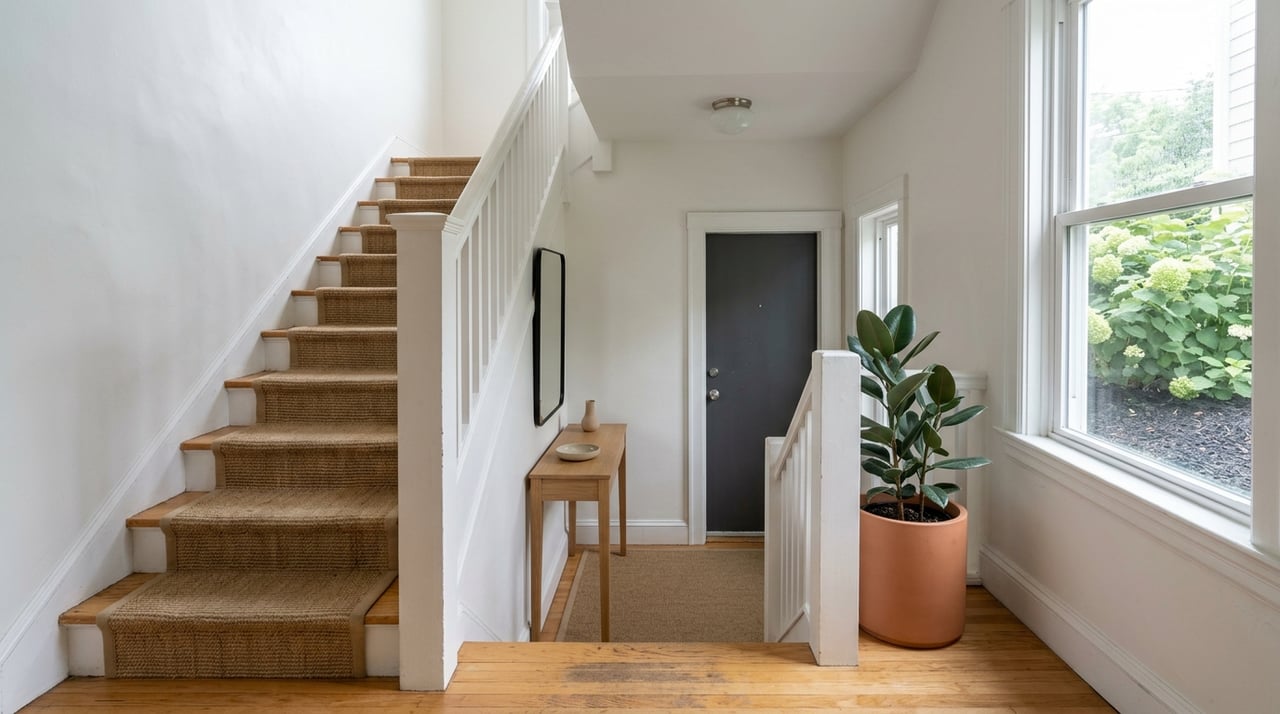
The West Side does not offer just one type of home. Instead, it has a layered housing stock shaped by history, mixed use, and adaptation over time.
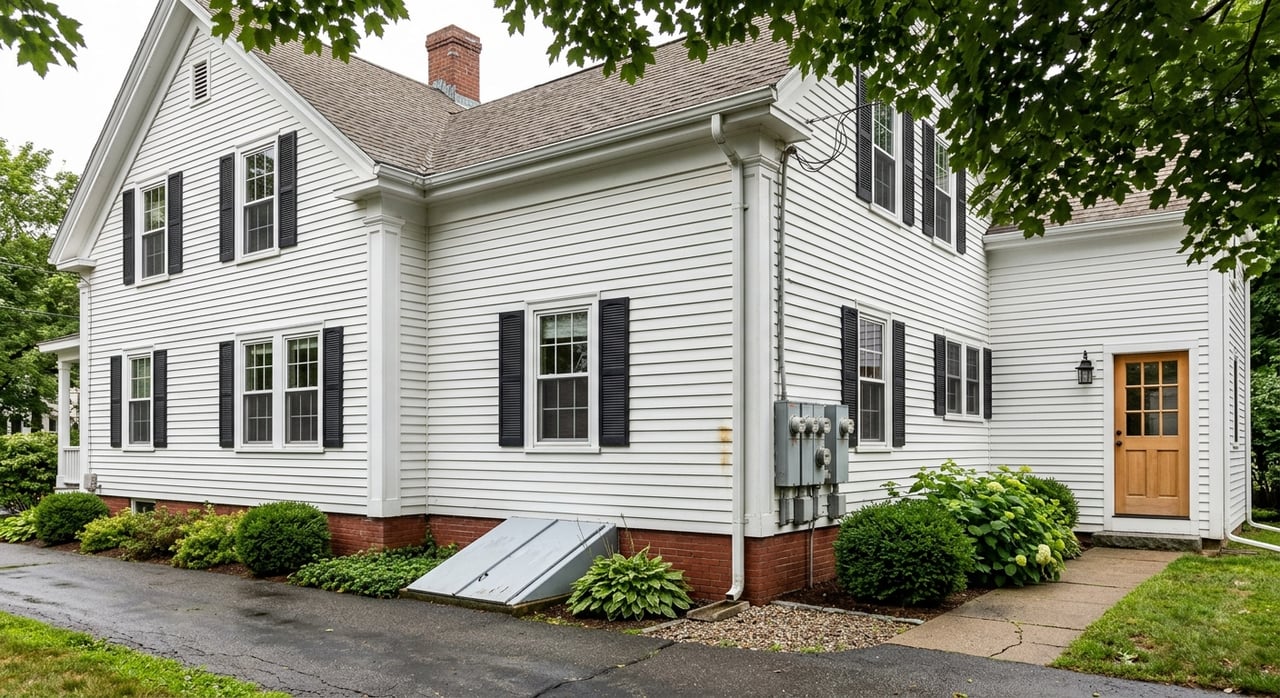
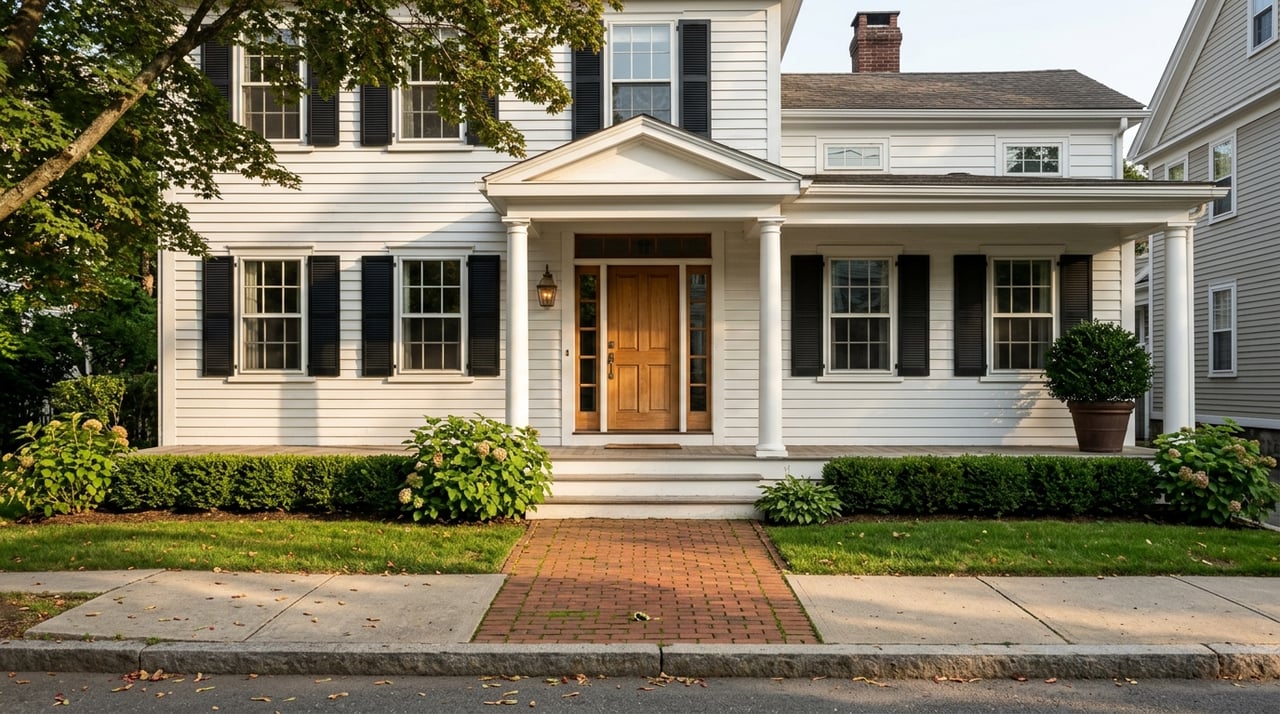
In the Armory Historic District, the residential fabric is dominated by mid- to late-19th-century one- and two-family houses. Along Broadway, Victorian homes remain an important part of the streetscape, and many have been divided into apartments or converted to professional and commercial use.
Federal Hill remains densely residential while also mixing in commercial uses on Broadway, Westminster, and Atwells. In the Valley, the residential fabric is heavily two- and three-family housing.
For you as a buyer or renter, that means the West Side may offer options across several formats, including historic houses, multi-family properties, apartment buildings, and mixed-use settings. The most accurate shorthand is that the area is historic, mixed-use, and adaptive-reuse-friendly rather than tied to one housing pattern.
Why the West Side Feels Distinct
Some Providence neighborhoods are easier to summarize in one phrase. The West Side is more nuanced than that, and that is part of what makes it compelling.
Its identity comes from the way residential side streets, local businesses, historic buildings, and public gathering spaces work together. You can feel the overlap between old housing stock, active commercial corridors, and community infrastructure in a way that feels organic rather than planned all at once.
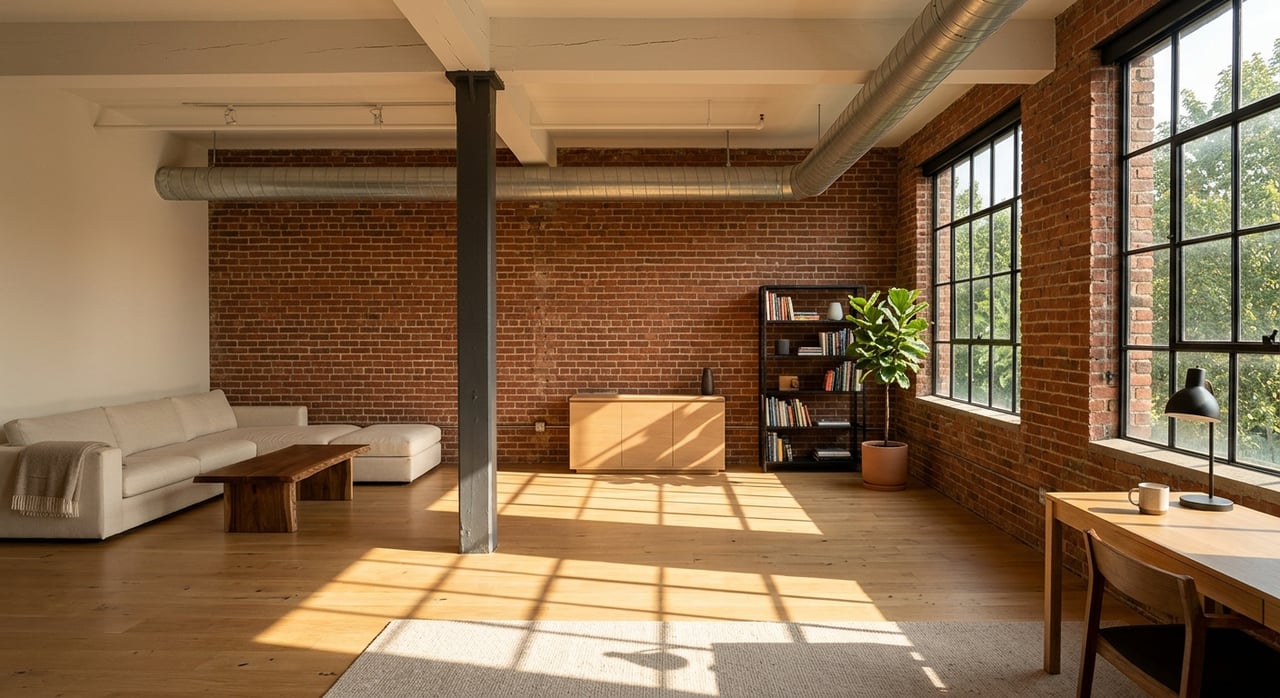
The Valley’s repurposed industrial sites, including the WaterFire Arts Center and The Steel Yard, also help explain why adaptive reuse is part of the broader West Side story. Even if you are not living in an industrial conversion, that design language and reuse mindset influence how the broader area is understood.
What Buyers and Renters Should Notice
If you are considering a move to the West Side, it helps to focus on how you want to live day to day. This is a neighborhood cluster where your experience can change meaningfully from one subarea to the next.
A few practical things to notice when you explore:
- How close you are to Broadway, Westminster, or Atwells
- Whether you want a quieter residential block or a more active mixed-use setting
- The type of home that fits your needs, from one- and two-family houses to apartments or multi-family properties
- Your preferred transportation mix, including walking, biking, bus access, and driving
- Your relationship to parks, recreation spaces, and neighborhood gathering spots
These details often shape quality of life more than a broad neighborhood label. On the West Side, the micro-location matters.
West Side Living at a Glance
| Feature | What to Expect |
|---|---|
| Neighborhood form | Connected subareas, not one single corridor |
| Main commercial streets | Broadway, Westminster, Atwells |
| Business character | Strong local business presence |
| Transit | RIPTA routes 27, 28, and 19 |
| Outdoor and community spaces | Bucklin Park, Dexter Park, Pastore Park, recreation center |
| Common housing types | One-, two-, and three-family homes, apartments, mixed-use buildings |
Why Local Guidance Helps
Because the West Side covers several connected areas, broad descriptions only go so far. A home near Broadway may offer a very different daily rhythm than one closer to the Valley edge or deeper into a residential section of the West End.
That is where neighborhood-level guidance becomes useful. When you understand the housing mix, block-by-block feel, and how commercial corridors shape daily routines, you can make a much more informed decision.
Whether you are buying, selling, or renting in Providence, it helps to work with someone who understands how architecture, location, and lifestyle fit together. If you want thoughtful, local guidance on the West Side, connect with Sabine Green for a calm, informed conversation.
FAQs
What is Providence’s West Side made up of?
- Providence’s West Side is commonly understood as a group of connected subareas, including the West End, Federal Hill, the West Broadway and Armory area, and the Valley edge.
Is Providence’s West Side mostly residential or commercial?
- It is both, with residential side streets alongside active commercial corridors such as Broadway, Westminster, and Atwells.
Can you live on Providence’s West Side without relying on a car every day?
- Not entirely, but many daily trips can be supported by walking, RIPTA bus service, and the city’s walk and bike network planning.
What kinds of homes are common on Providence’s West Side?
- Common documented housing types include historic one- and two-family houses, two- and three-family houses, apartments, and mixed-use buildings.
Are there parks and recreation spaces on Providence’s West Side?
- Yes, neighborhood life includes places such as Bucklin Park, Dexter Park, Pastore Park, and the West End Recreation Center.