Thinking about making a home on Providence’s East Side? Maybe you want walkable coffee runs, leafy streets, and a quick hop to downtown without giving up neighborhood charm. If you are weighing College Hill, Wayland, Blackstone, or Fox Point, you probably want a clear picture of day-to-day life, not just pretty streetscapes. This guide gives you a practical look at what the area feels like, how you get around, where you will shop and relax, and what to expect from housing, costs, and common trade-offs. Let’s dive in.
East Side vibe and feel
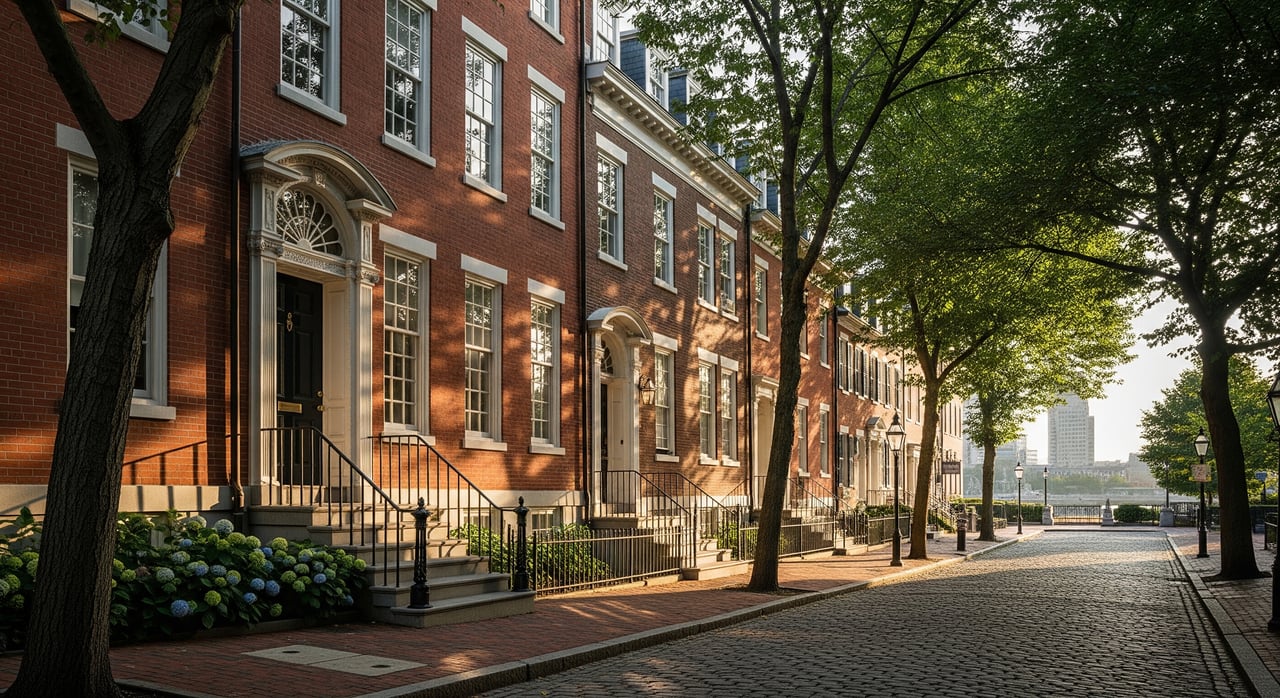
The East Side blends academic energy with historic character. Brown University and the Rhode Island School of Design anchor College Hill, which brings year-round cultural programming, museums, public talks, and steady foot traffic. You will see preserved architecture from colonial and Federal eras alongside Victorian and Italianate homes. Many blocks feel intimate and walkable, with an independent retail scene that supports everyday errands.
Each sub-neighborhood has a distinct rhythm. College Hill is the historic core with narrower streets and a high concentration of campus buildings and museums. Wayland and Blackstone offer tree-lined boulevards, a calmer residential feel, and pockets of local retail like Wayland Square. Fox Point looks toward the water and mixes homes, shops, and restaurants with access to India Point Park and the East Bay Bike Path. Across the East Side, you will meet students, academics, long-term residents, and professionals, which keeps the area lively.
Places you will frequent
Thayer Street essentials
Thayer Street is a go-to for quick meals, coffee, bookstores, and services. Daytime foot traffic is strong during the academic year, so it is easy to combine errands and a bite to eat. Evenings are active but generally casual rather than club-heavy. If you want the most convenient walk-to-everything address, Thayer-adjacent blocks often deliver that.
Wayland Square routines
Wayland Square blends daily needs with neighborhood charm. Independent cafés, bakeries, and specialty shops make weekday errands feel simple. You can pick up groceries, stop by a pharmacy, and catch up with a friend over coffee within a few blocks. The surrounding streets connect smoothly to Blackstone Boulevard for a quick run or stroller walk.
Wickenden Street energy
Wickenden Street in Fox Point has a creative, bohemian thread. You will find cafés, restaurants, and small shops that attract both locals and students. The waterfront is a short walk away, so you can end errands with a detour to India Point Park for fresh air and harbor views. Expect a steady but relaxed pace most evenings.
Parks and outdoor time
The East Side is surprisingly green for an urban setting. You have several ways to get outside without a long drive.
- India Point Park: A waterfront park that frames the western end of the East Bay Bike Path, ideal for walks, dog time, and community events. It is a natural extension of Fox Point life.
- Blackstone Boulevard and Blackstone Boulevard Park: A linear greenway popular with runners, walkers, and families. Nearby playgrounds and open lawns make it easy to mix exercise with downtime.
- Prospect Terrace Park: A small overlook on College Hill with panoramic views of downtown. It is a classic spot for a quiet break or a quick photo.
- East Bay Bike Path: Beginning at India Point Park, this largely car-free route runs south toward Bristol. It is useful for weekend rides and, for some, even bike commuting.
Getting around daily
Walkability and errands
Many East Side addresses put you close to grocery options, pharmacies, coffee, and dining. Walkability is highest in and around Thayer Street, Wayland Square, and Wickenden Street. As you move into quieter residential blocks, your walk might get a bit longer, but you still have frequent neighborhood services within reach.
Public transit and biking
RIPTA bus routes serve major East Side corridors and connect to downtown, hospitals, and other parts of the city. If you plan to use transit often, check specific route schedules for the streets you care about, since frequency varies. Cycling is common for short commutes, and the East Bay Bike Path is a major perk for longer rides. Dedicated bike infrastructure exists on some streets, but coverage is mixed, so route planning helps.
Driving and parking
Driving to downtown usually takes 10 to 20 minutes in typical traffic, depending on time of day and starting point. Street parking can tighten near Thayer Street, Wayland Square, popular parks, and during school drop-off or pick-up windows. Metered spots, time-limited zones, and resident permit districts exist in some areas, so it is smart to review parking rules before assuming free on-street options.
Regional travel
For trips to Boston and beyond, most residents head downtown to the Providence Amtrak and MBTA station. This adds a short step to your journey from the East Side, but it is a straightforward connection. Highway access points are reachable by car, with timing influenced by general city traffic patterns.
Housing types and costs
What you will see on the market
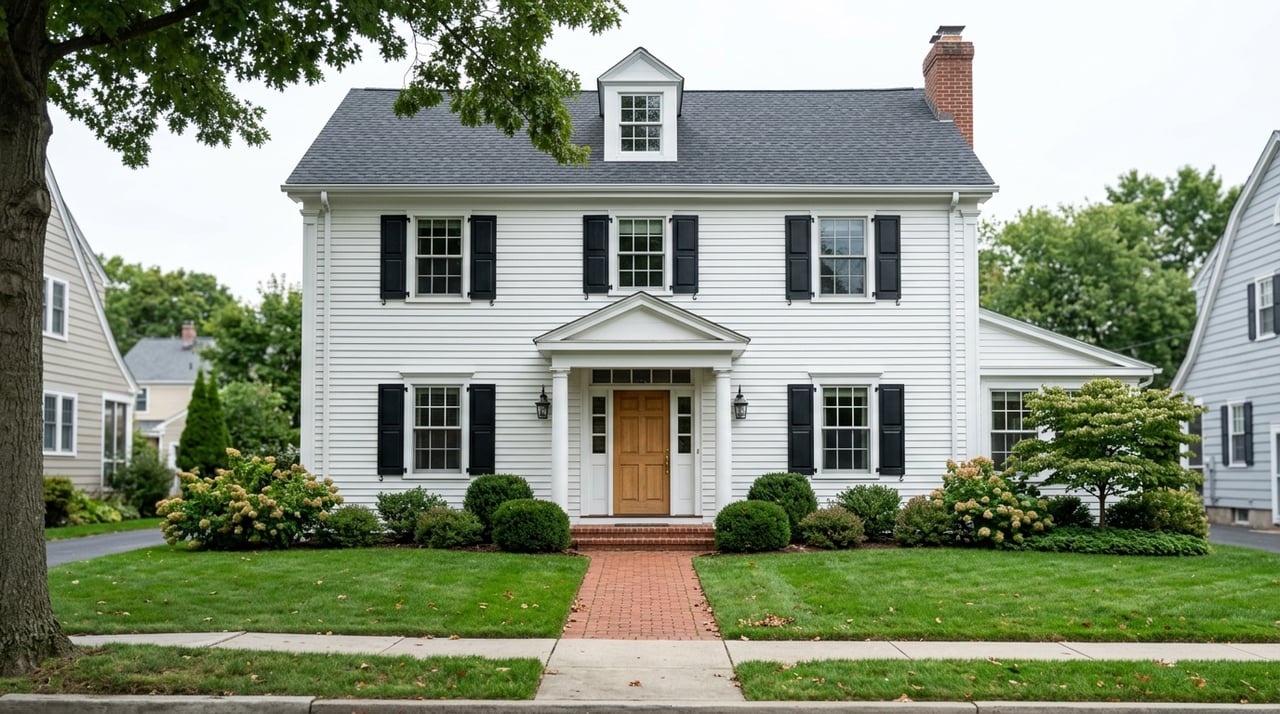
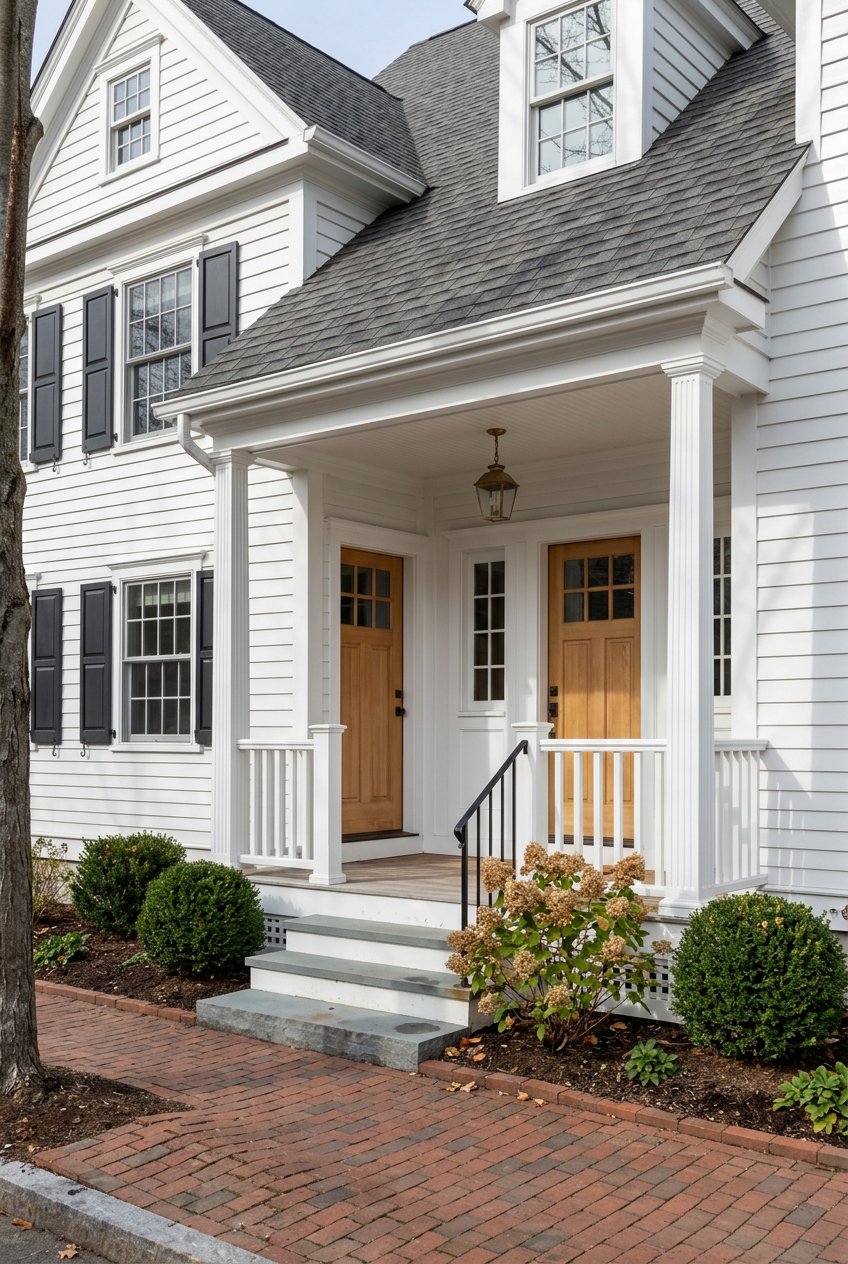
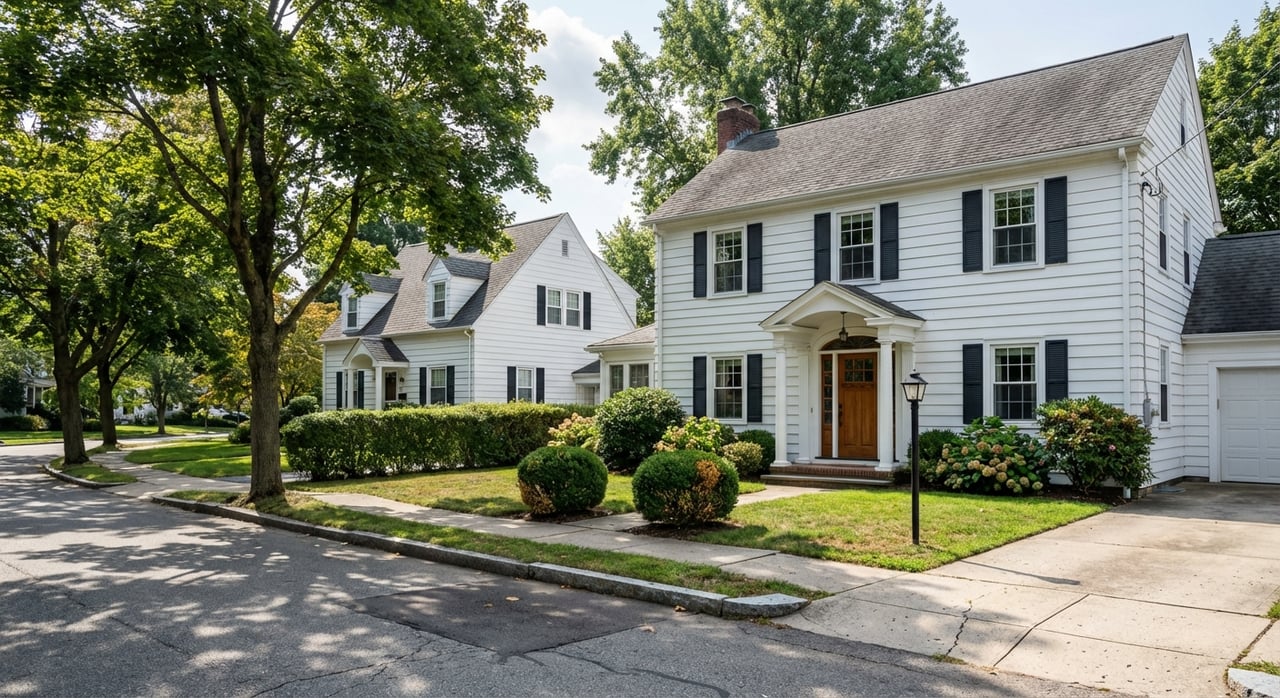
The housing stock is diverse and rooted in history. You will see single-family homes from colonial and Federal periods, especially near Benefit Street and College Hill. Many 19th-century Victorian and Italianate homes line nearby streets, ranging from attached row houses to larger residences. You will also find multi-family buildings, including traditional triplexes and six-family conversions, plus newer condominium conversions in former institutional or historic structures.
Buying or renting
Rental demand is strong due to the nearby universities. Many rentals are aimed at students and young professionals, especially around Thayer Street and parts of Fox Point. If you are buying, Wayland and Blackstone often attract people seeking a stable, neighborhood-oriented environment. College Hill tends to command a premium for historic homes and proximity to campus amenities.
Relative cost
The East Side is among the priciest parts of Providence. College Hill typically has some of the highest home values in the city, and Wayland and Blackstone are also above the city median. Rents follow a similar pattern, with elevated rates near campus and in the most walkable corridors. Because prices shift with the market cycle, it is best to review current listings for a precise snapshot before you bid or sign a lease.
Historic districts and renovation
Large portions of College Hill and adjacent blocks lie within historic districts. If you plan to renovate, expect design review and stricter rules on exterior changes. These protections preserve character and streetscape quality, though they can add time and cost to projects. For older homes, budget for long-term maintenance such as updating systems, addressing masonry or slate roofs, and handling potential lead paint.
Common trade-offs to weigh
Safety and noise
The East Side is generally perceived as safer than many other parts of Providence, but it is still an urban area where property crimes and occasional incidents occur. Near student-heavy corridors, late-night activity and noise are the most common quality-of-life complaints. If you prefer quiet evenings, choose a block that sits slightly away from campus and main retail nodes.
Parking and regulations
Parking dynamics vary street by street. Near busy corridors and parks, curb space can be tight and rules may include meters or time limits. Some areas use resident permits. If you are moving or planning deliveries, permits may be required.
Schools and learning options
Public school assignments vary by address, and many families review district maps before choosing a home. Some households also consider private options or programs connected to area institutions. Your best move is to verify the exact assignment for your target address and cross-check transportation or after-school logistics.
Flood risk and waterfront living
Fox Point and areas near India Point Park sit close to tidal waters. Some low-lying waterfront portions may fall within FEMA-designated flood zones or be considered at risk from future sea-level rise. If you are evaluating a home near the water or with a basement, consult official flood maps and state resources as part of your due diligence.
Accessibility and aging in place
Historic homes often have stairs, narrow doorways, and multi-level layouts. If accessibility is a priority, you may prefer a condo or newer conversion with easier entries and elevators. Evaluate floor plans and building access early in your search to avoid surprises.
Choosing your micro-location
Use these prompts to match streets to your lifestyle:
- You want high energy and maximum walkability: Look near Thayer Street or Wickenden Street, and accept some late-night activity.
- You want a quiet, residential feel with easy errands: Explore Wayland Square-adjacent streets and Blackstone Boulevard blocks.
- You want easy access to green space: Target addresses within a short walk of Blackstone Boulevard Park or India Point Park.
- You want historic architecture as a daily backdrop: Focus on College Hill and nearby streets with preserved colonial and Federal homes.
- You want bike connectivity: Consider Fox Point for immediate access to the East Bay Bike Path, and confirm the best bike routes for your commute.
A typical weekday on the East Side
Start with coffee on Wayland Square and a quick grocery run next door. Midday, you might pop into a Brown or RISD talk or visit a gallery show, then cross College Hill to Prospect Terrace for a few minutes of quiet. Late afternoon, take a jog along Blackstone Boulevard or ride the East Bay Bike Path from India Point Park. Dinner can be a casual pick-up on Wickenden or a sit-down spot near Thayer Street.
How I can help you decide
You deserve a calm, evidence-based process that fits your life. I work one-on-one from first conversation to closing, with clear pricing guidance and local context across College Hill, Wayland, Blackstone, Fox Point, Mount Hope, and the West Side. For buyers and renters, I map your daily routines to specific blocks, flag historic-district considerations, and outline maintenance and accessibility factors before you commit. For sellers, I deliver coordinated listing preparation with staging, professional photography, and vendor management so you get to market smoothly and confidently.
If you want a practical, design-minded partner who knows these streets, I am here to help you make a smart move.
Ready to explore neighborhoods, compare options, or price your home with clarity? Reach out to Sabine Green for a focused plan that fits your goals. What’s Your Home Worth?
FAQs
What does daily life feel like on Providence’s East Side?
- Expect a blend of historic streets, academic energy from Brown and RISD, and walkable errands around Thayer Street, Wayland Square, and Wickenden Street.
How walkable are College Hill, Wayland, and Fox Point for errands?
- Core corridors are very walkable for groceries, pharmacies, cafés, and restaurants, with longer walks as you move into quieter residential blocks.
What are the main outdoor spaces on the East Side?
- India Point Park, Blackstone Boulevard and its park, Prospect Terrace, and the East Bay Bike Path offer easy options for walking, running, and cycling.
How do East Side residents commute to downtown or Boston?
- Many use RIPTA buses or bikes for local trips and head to the Providence train station for MBTA or Amtrak service to Boston and beyond.
What housing types are common near College Hill and Wayland Square?
- You will find historic single-family homes, Victorian and Italianate styles, multi-family buildings, and condo conversions in former historic or institutional properties.
Are there historic-district rules that affect renovations on the East Side?
- Yes, parts of College Hill and nearby blocks have design review that preserves character and can add time and cost to exterior alterations.
What should I know about parking near Thayer Street and Wayland Square?
- Curb space can be tight, and you may encounter meters, time limits, or resident permits, so check street-specific rules ahead of time.
Is flood risk a concern in Fox Point near India Point Park?
- Some low-lying waterfront areas may be within FEMA flood zones or face sea-level rise concerns, so reviewing official maps is recommended before buying.