Selling a historic home on Providence’s East Side is not the same as selling a newer property, and that is exactly the point. Buyers are not just responding to square footage or finishes. They are responding to architecture, setting, and the story a home tells from the street to the front hall. If you are thinking about selling, it helps to understand how I market these homes so their character reads clearly and confidently online and in person. Let’s dive in.
East Side history shapes the strategy
Providence’s East Side is not one uniform historic area. It is a layered preservation landscape shaped over time, from early farmsteads and country retreats to institutional growth and later residential development. That long arc matters because it gives your home a context that goes beyond a simple age label.
In practice, I treat the East Side as a collection of distinct but connected areas, including Blackstone, Wayland, Fox Point, College Hill, and Mount Hope. Each has its own streetscape, architectural rhythm, and development story. That helps me position your property with more precision and more credibility.
College Hill often anchors that conversation because it holds exceptional historic significance within Providence. The College Hill Historic District is recognized as a National Historic Landmark, which supports marketing language focused on provenance, architecture, and neighborhood context rather than generic luxury terms.
I market the house, not just the category
One of the biggest mistakes in historic-home marketing is using the word historic as if it says everything. It does not. Buyers on the East Side often want to know what kind of historic home they are looking at and why it stands out.
That is why I start by identifying the home’s era and architectural style as accurately as possible. On the East Side, that may mean Queen Anne, Shingle Style, Colonial Revival, Tudor Revival, Federal, Georgian, Greek Revival, Italianate, or Gothic Revival, depending on the property and neighborhood context.
If the designer or builder is known, I look for that too. I also pay close attention to the home’s relationship to the street, its original layout, and the long-term use of notable spaces. Those details help the listing feel grounded and specific, which is often what design-minded buyers are looking for.
Research comes first
Before I write marketing copy or plan visuals, I begin with research. For East Side historic homes, that often includes reviewing local property history resources and preservation survey materials to understand style, neighborhood context, and any known architectural background.
A practical tool here is the Providence Preservation Society’s Guide to Providence Architecture, which can be searched by property, style, designer, and neighborhood. That kind of source helps me identify what is genuinely special about a home so I can highlight real details instead of relying on broad adjectives.
This step also helps shape photography and staging. If a staircase, mantel, porch detail, window pattern, or exterior massing is part of the home’s architectural identity, that should influence what we feature and how we frame it.
Historic significance is not the same as restriction
This is one of the most important conversations I have with sellers. A home can be historically significant without being subject to the same level of local exterior review.
In Rhode Island, National Register listing recognizes a property as worthy of preservation, but that designation alone does not automatically protect it from alteration or demolition. Local historic district zoning carries much greater regulatory effect.
In Providence, the Historic District Commission reviews exterior work in local historic districts, and building permits for exterior work cannot be issued without a Certificate of Appropriateness. So if you are planning exterior updates before listing, timing matters. I build that into the prep schedule early so we can avoid surprises.
My marketing story focuses on five points
For most East Side historic homes, I build the listing story around five core elements:
- the home’s date or era
- the architectural style
- the designer or builder, if documented
- the relationship to the streetscape
- the original or long-term use of notable spaces
This structure keeps the narrative clear and buyer-friendly. It also helps your listing stand out because it explains why the house matters instead of simply saying it is charming or unique.
Staging should reveal character, not cover it
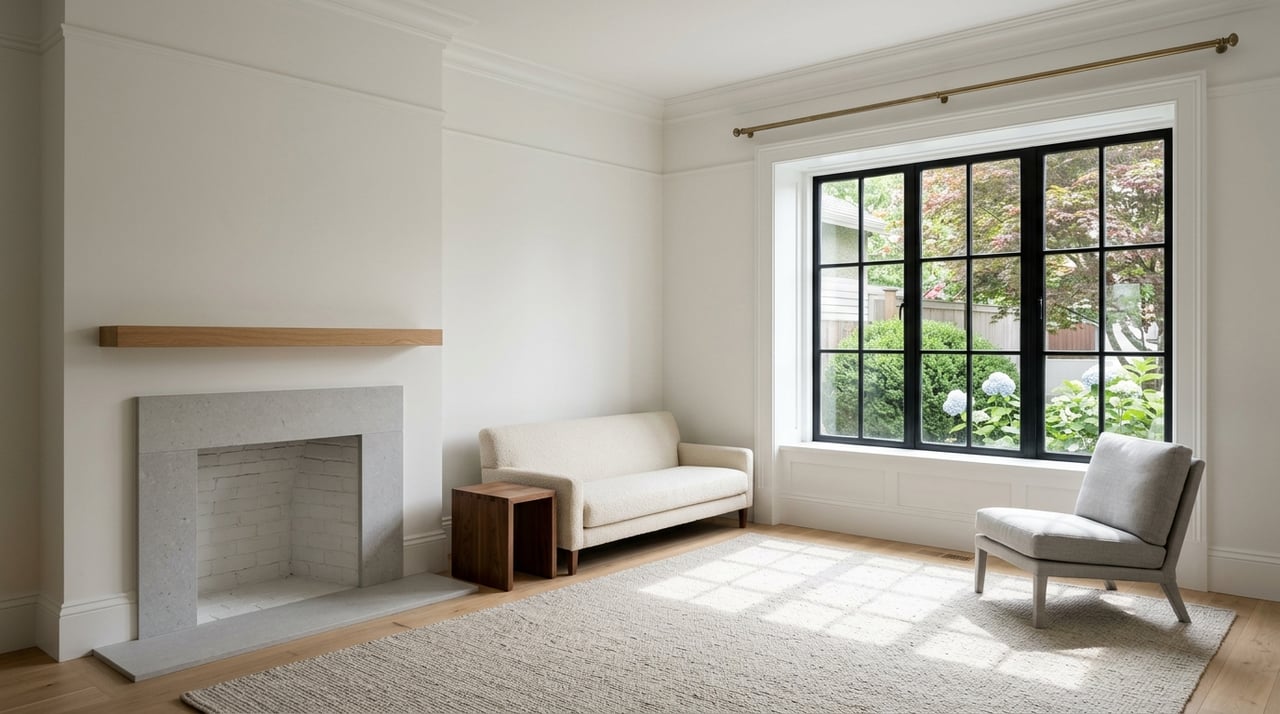
Historic homes usually do best with restrained, detail-conscious staging. The goal is not to modernize the house into something it is not. The goal is to help buyers see scale, flow, light, and livability while preserving the details that make the home memorable.
National staging research supports this approach. In 2025, 83 percent of buyers’ agents said staging made it easier for buyers to visualize a property as their future home. Sellers’ agents also reported that staging can reduce time on market and, in some cases, increase the dollar value offered.
For an East Side property, I usually want less visual clutter and more visual clarity. That means highlighting woodwork, mantels, staircases, windows, built-ins, and room proportions. If the house has original features worth preserving in the visual story, those should lead.
Curb appeal matters in historic districts
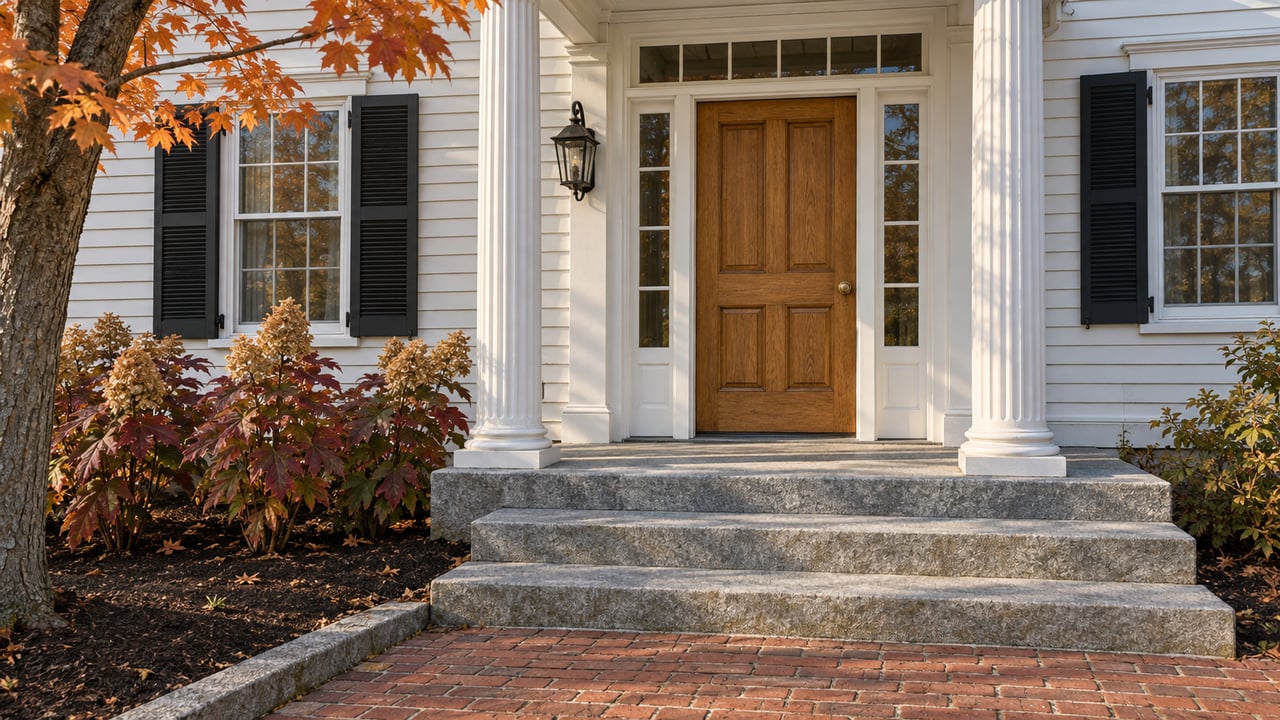
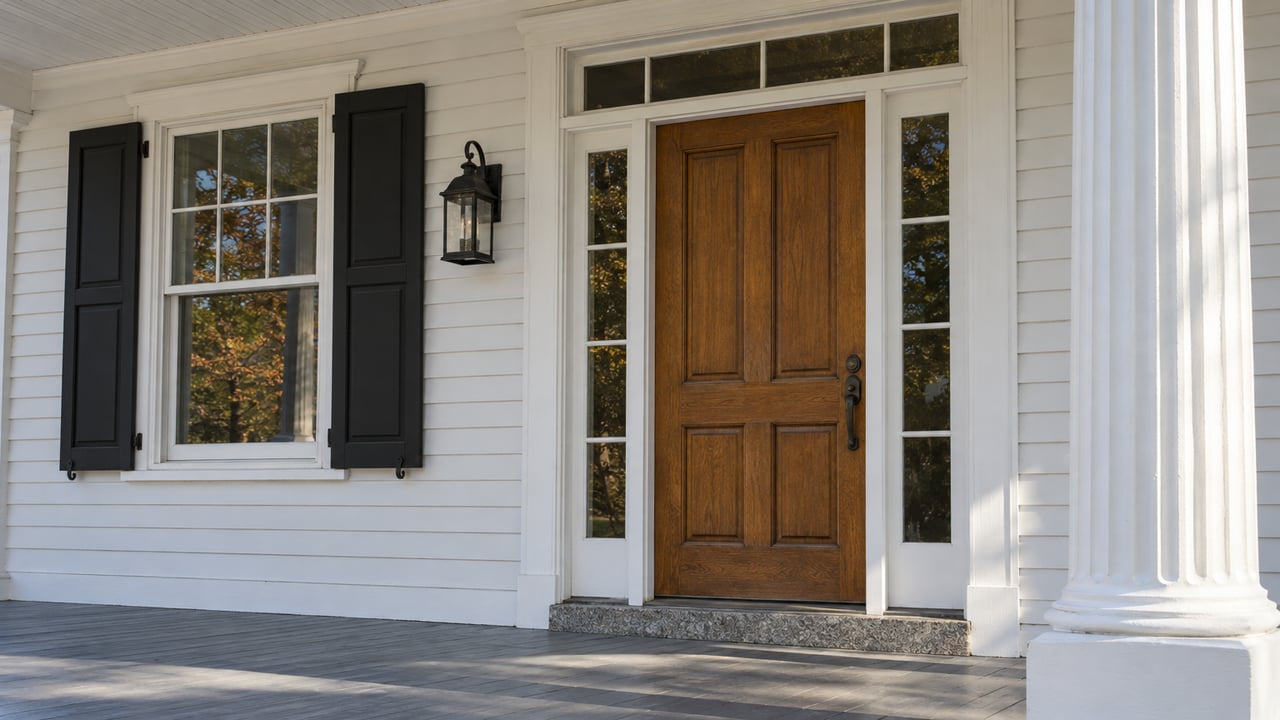
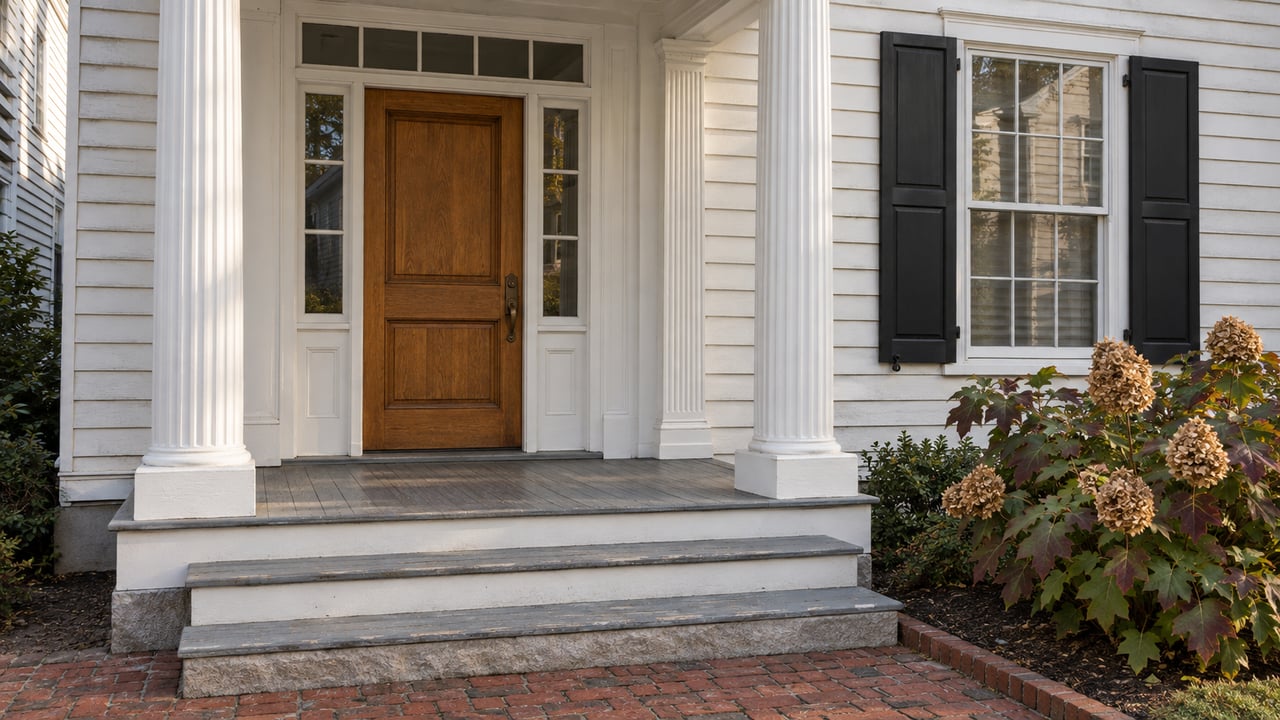
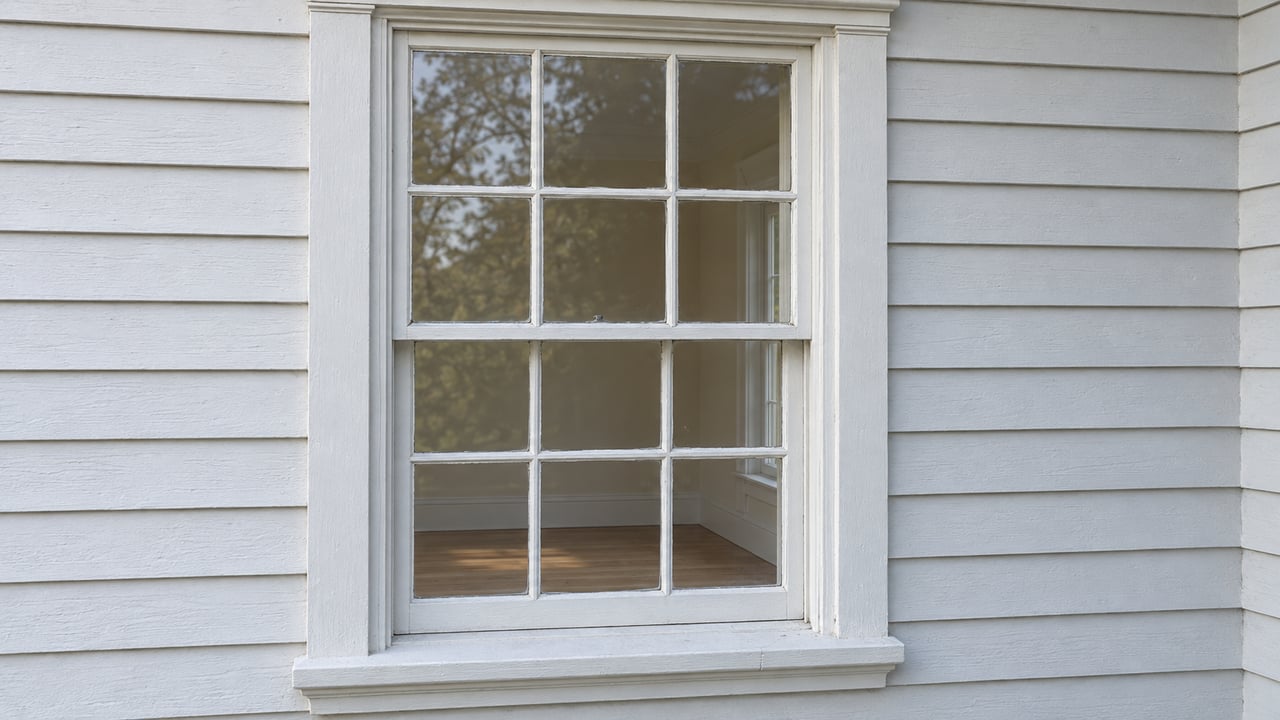
Even when most staging decisions happen indoors, the exterior still sets the tone. Providence’s historic district standards identify features such as roofs, exterior walls, windows and openings, doors and entries, porches, steps, railings, foundations, fences, signage, and overall setting as central to a historic building’s character.
That is useful from a marketing standpoint because it tells us what buyers are likely to read as authentic and important from the curb. Before launch, I focus on making sure the exterior presentation feels clean, accurate, and respectful of the home’s period character.
Photography needs range and restraint
Online presentation carries enormous weight, especially for homes with architectural character. In 2025 buyer research, listing photos were the most useful online feature for 81 percent of buyers, ranking ahead of detailed property information, floor plans, virtual tours, neighborhood information, and videos.
That is why I do not treat photography as a box to check. For a historic East Side listing, I want a media package that includes:
- strong exterior images
- room-overview photos that show scale and flow
- close-up details of craftsmanship
- contextual shots showing the home’s relationship to the street
Those images work together. The wide shots help buyers understand layout and proportion, while the detail shots give emotional texture to the listing.
MLS launch is the foundation
A beautiful listing still needs a smart launch plan. Because so many buyers begin online, I treat the MLS entry as the core marketing asset, not an afterthought.
That means the photography, copy, and property details need to be fully polished before the home goes live. Once the listing is optimized in MLS, it can then be distributed more broadly across brokerage websites and major real estate portals. For high-value properties, broader premium exposure can also support reach beyond the immediate local audience.
This matters because buyers are often making first-pass decisions on a screen. If the listing goes live before the story and visuals are ready, you may lose momentum that is hard to regain later.
My process is designed to be turnkey
Historic homes usually need more coordination, not less. There may be research to confirm, repairs to schedule, approval timelines to respect, staging choices to refine, and a visual strategy to build around the home’s strongest features.
My role is to organize that sequence so you do not have to manage every moving part yourself. For many East Side sellers, especially busy or out-of-state owners, that structure is a major part of the value.
A typical process looks like this:
| Phase | Focus |
|---|---|
| Research | House history, architectural style, district context |
| Preparation | Repairs, vendor coordination, timing for any needed exterior review |
| Presentation | Staging, styling, curb appeal, photography planning |
| Launch | MLS copy, image selection, pricing strategy, go-live timing |
| Distribution | Broader exposure through brokerage and listing channels |
What makes this approach effective is not just polish. It is the combination of local context, project management, and disciplined presentation.
Why this approach works on the East Side
East Side buyers are often paying attention to more than finishes. They notice craftsmanship, proportion, period details, and how a house sits on its street. They also tend to respond well to thoughtful, factual storytelling.
That is why I lean on research, accurate language, professional visuals, and a calm launch process. The goal is to help buyers see both the emotional appeal and the architectural substance of your home.
If you are selling a historic property in College Hill, Blackstone, Wayland, Fox Point, Mount Hope, or elsewhere on Providence’s East Side, the marketing should reflect what makes the home distinct. That is the standard I bring to every listing.
If you are thinking about selling and want a clear, well-managed plan for preparing and presenting your East Side home, Sabine Green can help you build the right strategy from research through launch.
FAQs
What makes an East Side home historically significant?
- A home’s significance may come from its age, architectural style, designer or builder, streetscape relationship, or place within a documented neighborhood history.
What is the difference between National Register listing and a local historic district in Providence?
- National Register listing recognizes historic importance, but local historic district zoning is what typically brings exterior review requirements through Providence’s Historic District Commission.
What should be researched before listing a historic home on Providence’s East Side?
- It helps to confirm the home’s architectural style, era, any known designer or builder, neighborhood context, and whether the property is in an area with local exterior review requirements.
Which original features should be highlighted in historic-home marketing?
- Features such as windows, doors, porches, staircases, mantels, woodwork, exterior details, and the home’s overall setting often play an important role in how buyers understand character.
How much staging should a Providence historic home have before listing?
- In most cases, restrained staging works best because it reduces clutter while allowing room scale, natural light, craftsmanship, and original details to stand out.
Why are professional listing photos so important for East Side historic homes?
- Buyer research shows listing photos are the most useful online feature, so strong images help communicate both the home’s layout and the details that make it architecturally memorable.