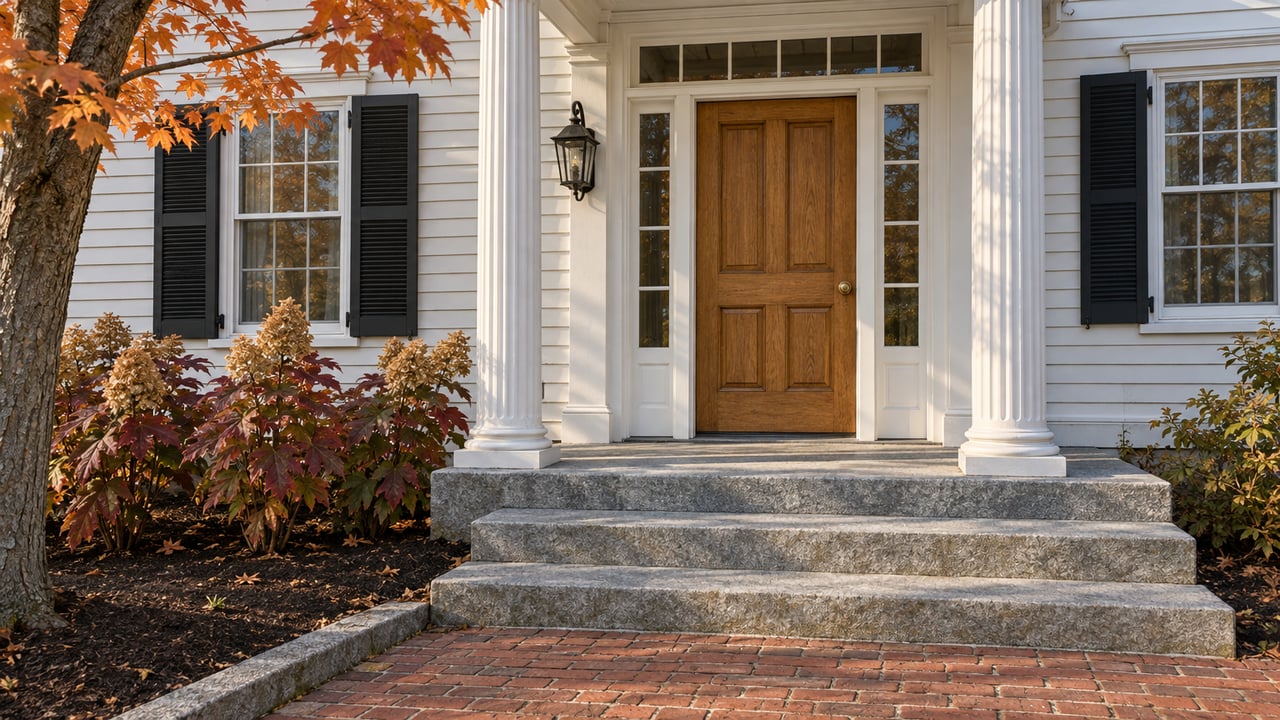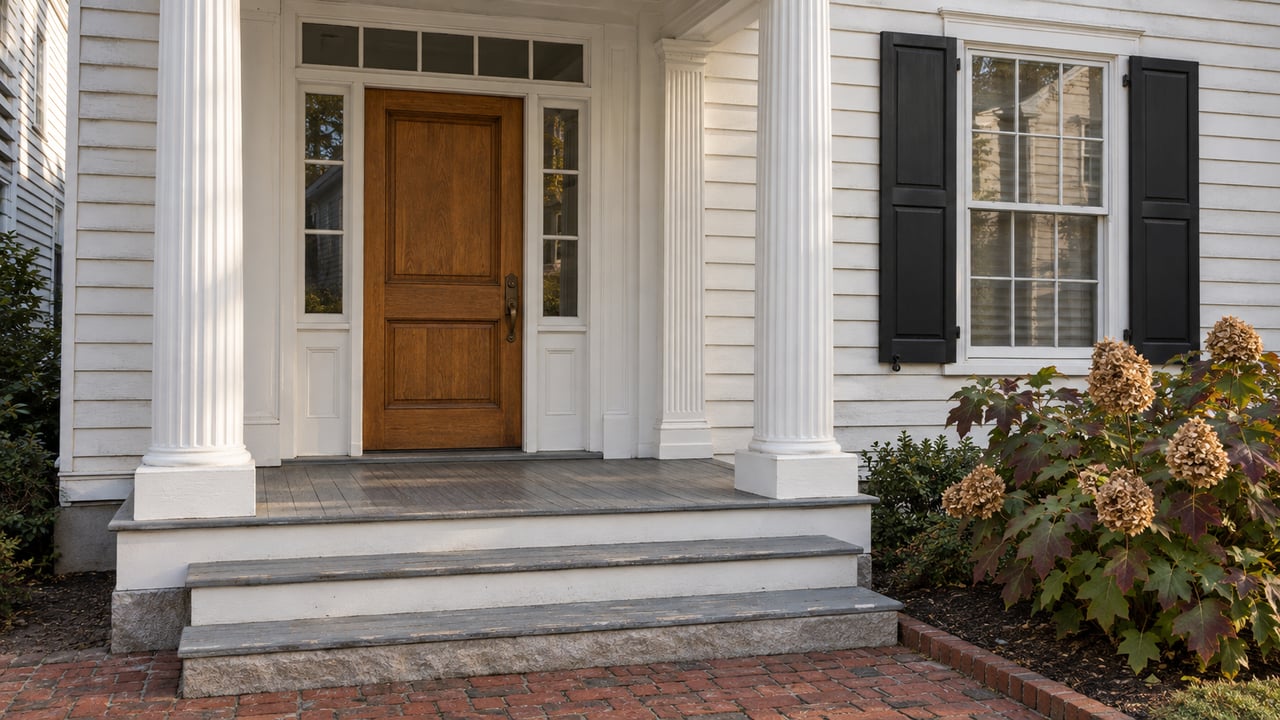
In April 2024, a development team led by Dustin Dezube and Kevin Diamond of the Providence Group brought a plan to the Providence Historic District Commission for 64 Angell Street, the 1796 Captain George Benson House. The proposal would have subdivided the nearly 30,000-square-foot College Hill estate into five lots and added four new structures around the Federal-period mansion, a house built for a partner in the Brown, Benson & Ives mercantile firm and largely unchanged on its site for more than a century.
The commission did not reject it. It asked for revisions. Staff pointed the architect toward how comparable Providence estates had handled new construction around a historic main house, typically with a long structure sited behind it, echoing a carriage house. The team went back to the drawing board. The application returned in February 2025, was continued again, and finally received conceptual approval in April 2025 for a scaled-back version: two additional structures instead of four, on three lots instead of five. By March 2026, the commission had approved construction of one new single-family home on the property, with the developers still needing to come back for sign-off on a proposed townhouse. Two years in, the project has never been denied. It also still is not finished.
That gap between "not denied" and "done" is the thing sellers and buyers of historic East Side property tend to misjudge, and it is worth naming directly before any renovation or listing timeline gets built around a wrong assumption.
What the denial rate actually measures
Providence's Historic District Commission reviewed 149 applications in 2023. Forty-nine went to a public hearing. Only three were denied, a 2.01 percent denial rate. Early tallies for 2024 point to a similar pattern: 52 major-alteration applications, more than 100 minor alterations handled internally, and a small handful of denials.
Read on its own, that number suggests the commission is a formality, a stamp on the way to a building permit. But a low denial rate does not mean fast or simple. It means the commission rarely closes the door outright. Instead, it keeps the conversation open until a project changes shape.
126 Benevolent Street shows what happens on the other side of that math. A 2024 proposal for a single-family home on an empty College Hill lot was denied after neighbors raised concerns about scale and mature trees on the site. Rather than stopping there, the development team filed an appeal of that denial while simultaneously submitting a new, smaller application for two houses instead of three. Both tracks were still active as of a March 2026 commission meeting, where the revised proposal drew public comment. One resident testifying at the related City Plan Commission hearing for 64 Angell put the tension plainly, questioning why an 18th-century estate that had been in single-family use since the early 1800s was being reshaped into multiple lots while empty parking lots sat downtown. Whether or not the board agrees with that framing, the practical lesson holds. A denial in Providence's historic districts rarely ends a project. It restarts it.
The number that explains the wait
If the denial rate is not the bottleneck, the queue is. Providence's Certified Local Government annual report for the 2024-2025 cycle recorded 209 applications reviewed, split between 50 handled by the full Commission and 159 resolved by staff. That is the largest volume the PHDC has processed since 1996-97, and it stands well above the 158-application average that held from 2005 through 2023.
More owners are bringing exterior projects to the commission right now than at almost any point in three decades. That matters for anyone timing a listing around exterior work, because the commission still meets once a month, typically the fourth Monday, and a rising caseload means more competition for a slot on that single monthly agenda. A project that would have cleared a quiet year in two hearings might now need three, simply because the docket is fuller.
Minor, major, and the difference in your calendar
Not every application waits for a monthly meeting. Providence law splits historic district review into two tracks, and knowing which one a project falls into changes the timeline by months.
About two-thirds of applications qualify as minor. Art in Ruins reports that staff handle these applications in-house. Approval often comes within days of a complete submission. Routine repairs, in-kind replacements, and similar work usually move on this track.
Major alterations go to a public hearing. The Providence Historic District Commission says state law gives the commission 45 days from a complete application to decide, but most cases resolve within 30. The Providence HDC application package says applications must be filed at least 14 days before the meeting, and if the work involves a fence along a shared lot line, the applicant has to notify and get sign-off from every abutting property owner first. A breakdown of major-alteration hearings from 2023 and 2024 shows where that track gets used most: 22 percent of major applications involved new construction such as dormers, decks, added stories, or new buildings on vacant lots, with smaller shares for roof material changes and demolition.
For a seller planning to repaint trim, that is a same-week errand. For a seller planning a new dormer before listing photos, that is a multi-month process that needs to start well before the sign goes in the yard.
What never needs a form at all
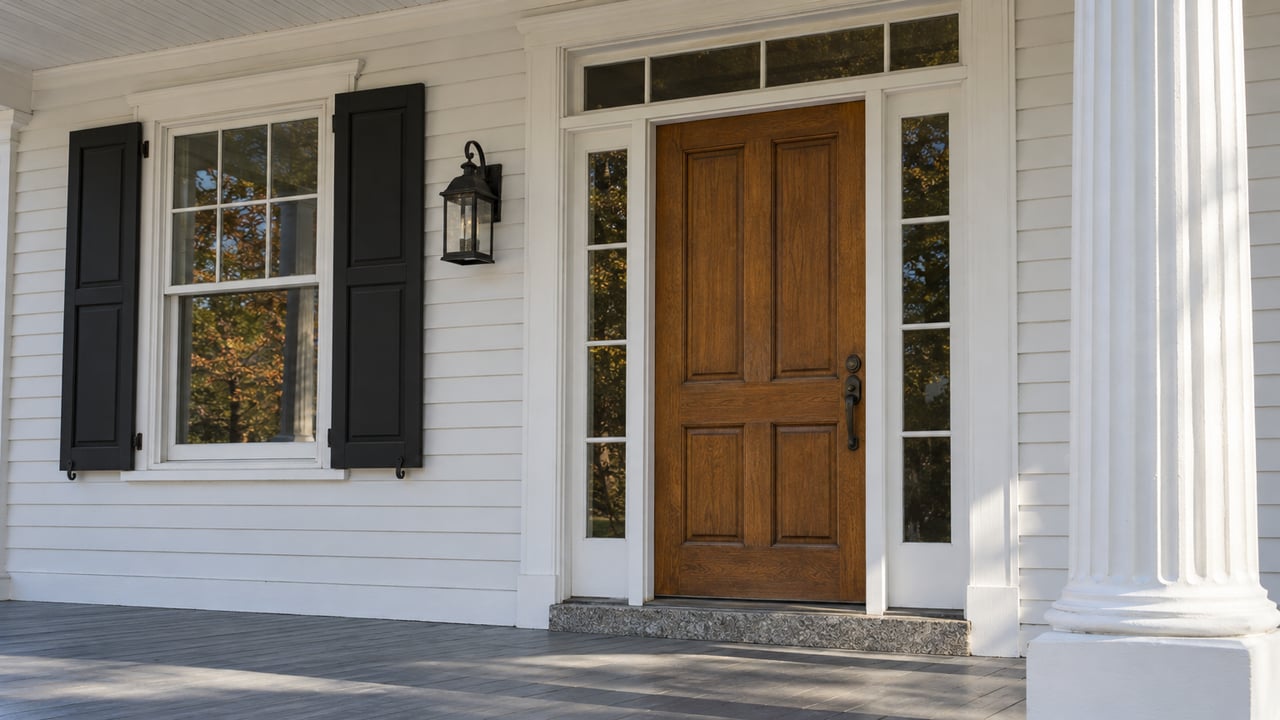
Some of the most visible pre-listing touches do not touch the PHDC process. Paint colors, light fixtures, door hardware, security grilles, portable window air conditioners, buzzer and intercom systems, alarm devices, utility meters, window boxes, ornamental statuary, garden furnishings, plant materials, and lawn irrigation systems are all exempt from review. A seller freshening curb appeal on a College Hill Federal or a Blackstone Victorian can move on most of that list immediately, without waiting on a commission calendar at all.
The windows that already have a yes
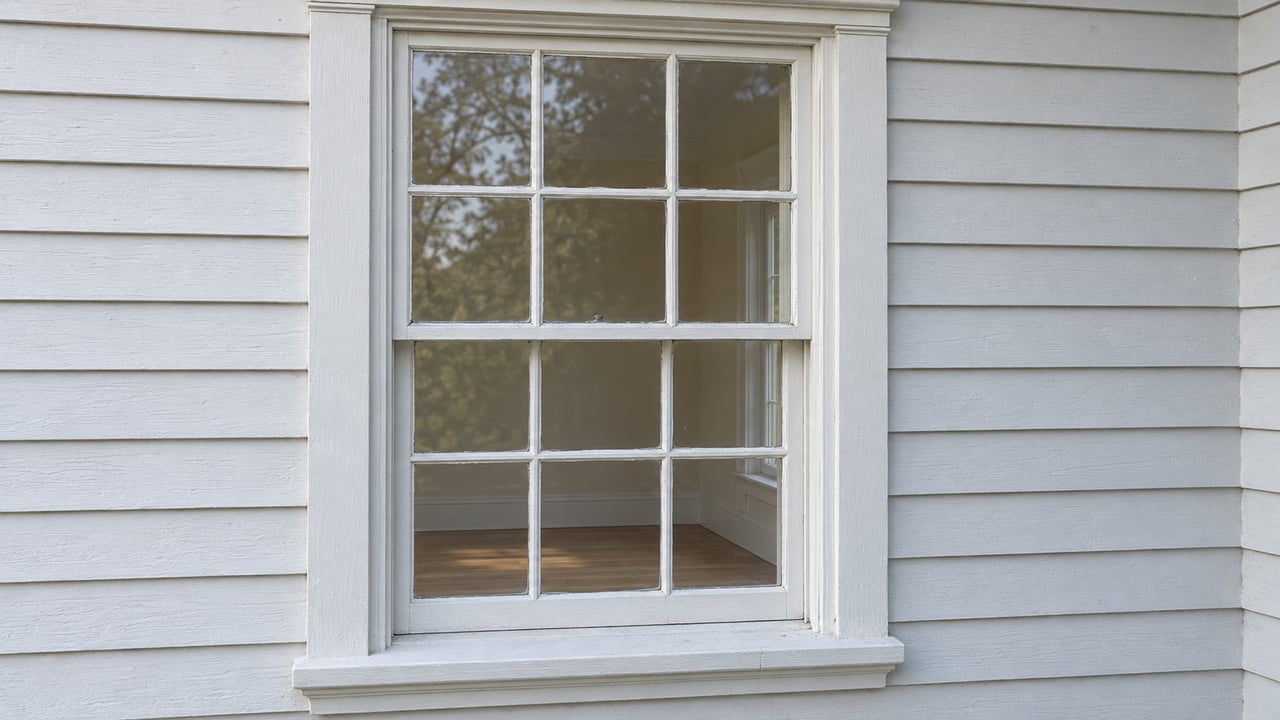
Window replacement draws some of the heaviest scrutiny in Providence's historic districts, since windows and doors are among the most expensive features on a house and among the longest-lived once installed. But the commission maintains a standing list of pre-approved window products, including lines from Andersen, Marvin, Pella, Kolbe, and several others, that can move through staff review without the extended documentation a novel product would require. An owner planning to replace deteriorated sash before a sale can shorten the timeline meaningfully just by specifying from that list rather than an unlisted product.
Building the actual calendar
None of this means historic district property is harder to sell. Buildings inside these districts often carry a resale advantage tied to the same oversight that can feel slow mid-project, since the review process is what keeps a block of Federal and Victorian houses from absorbing a mismatched addition or vinyl-sided infill next door. But the math only works in a seller's favor if the calendar is set correctly from the start.
For a College Hill, Wayland, or Blackstone property with exterior work still ahead of a listing, the operative question is not whether the commission will approve it. Recent history says it almost certainly will, eventually. The operative question is whether the project qualifies as minor, in which case staff can often close it out within days, or major, in which case it needs a public hearing slot, 14 days of advance filing, and possibly a round of revision before conceptual approval turns into a Certificate of Appropriateness. The 64 Angell timeline is the extreme version of that math: two years and counting on a large, complex estate subdivision. Most single-property renovations move faster. But even a modest addition or a new roofline change should assume months, not weeks, if it needs a hearing at all.
If you're planning exterior work on a historic East Side property ahead of a sale, the smartest move is figuring out which side of that line your project falls on before a contractor ever picks up a hammer. I help clients sequence that conversation with the commission alongside the rest of the listing timeline, so the work is finished, not just approved, by the time buyers walk through. Reach out to Sabine Green to talk through the calendar for your property.
This article is general information, not legal, tax or financial advice. Consult a qualified professional about your situation.