Wondering whether Providence’s East Side or West Side fits you better? It is a common question, and the answer usually comes down to how you want to live day to day, what kind of home you want, and how far your budget needs to stretch. If you are comparing neighborhoods in Providence, this guide will help you sort through housing style, price points, commute patterns, and overall feel so you can make a clearer, more confident decision. Let’s dive in.
East Side vs. West Side at a glance
If you zoom out, the biggest difference is fairly simple. The East Side tends to feel more residential, preservation-focused, and closely tied to Providence’s academic and historic core. The West Side tends to offer a more mixed urban fabric, with more commercial corridors, more multi-family housing, and often more price flexibility.
That contrast shows up in the built environment. City and preservation materials describe College Hill as the site of Providence’s original settlement, a primarily residential area, and home to some of the city’s most distinguished historic architecture. On the West Side, preservation records point to a neighborhood shaped by early-20th-century growth, where triple-deckers became a defining housing type and mixed-use streets remain a major part of daily life.
East Side housing and character
Historic homes shape the East Side
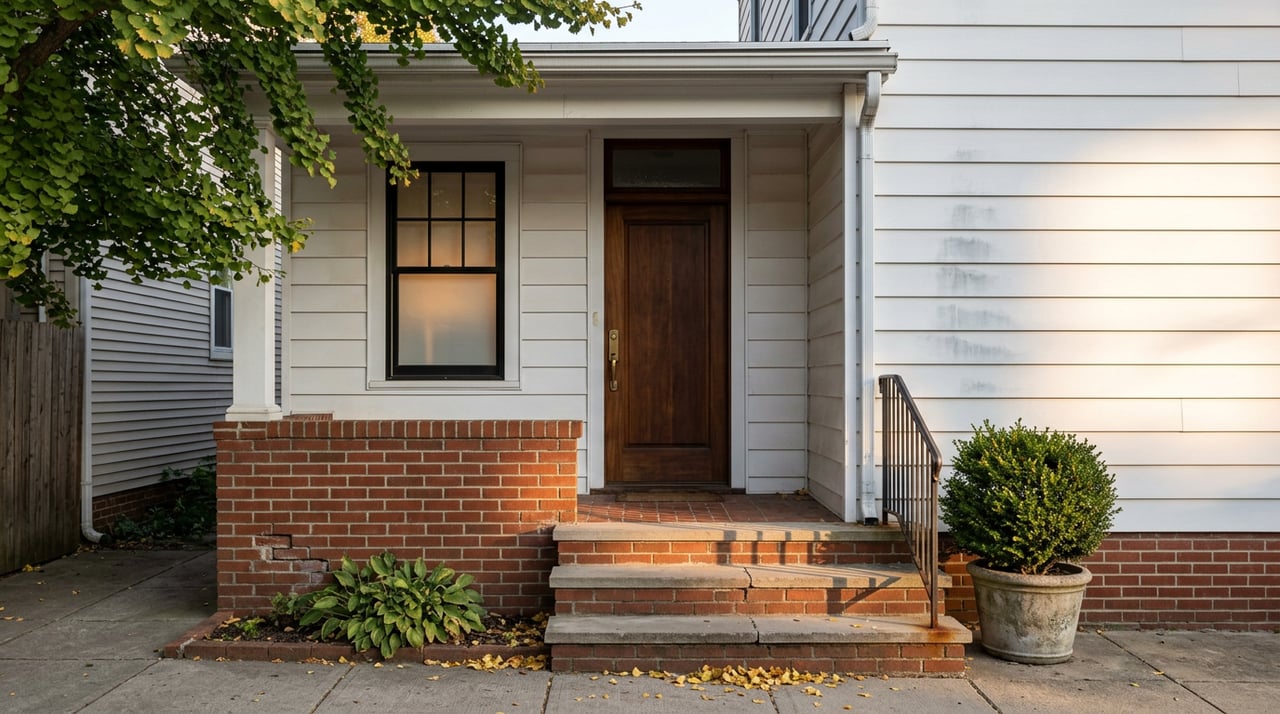
The East Side stands out for the range and quality of its housing stock. According to the Rhode Island Historical Preservation & Heritage Commission, no other neighborhood in the state matches the East Side for the quality and diversity of housing types, forms, and styles. That variety includes early colonial buildings, late-19th-century single-family homes, early-20th-century triple-deckers, condo conversions, and apartments in older structures.
For you as a buyer, that often means more architectural nuance and a more preservation-sensitive market. In areas like College Hill and nearby East Side enclaves, the housing conversation is not just about square footage. It is also about condition, period details, layout, and how a property fits into a historic streetscape.
What that means for buyers
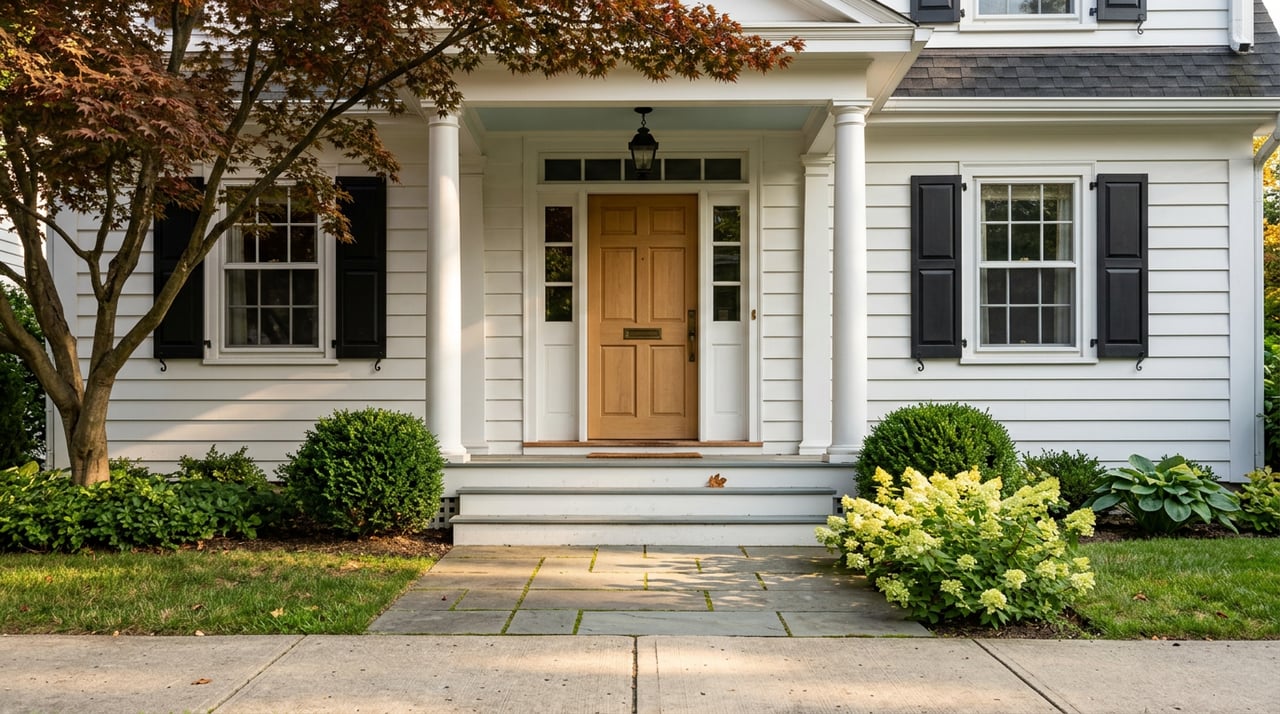
If you are drawn to original millwork, older facades, and homes with a strong sense of place, the East Side may feel especially compelling. You may also find more opportunities for condos and apartment conversions in architecturally notable buildings. For design-minded buyers, that can be a major draw.
At the same time, older housing often brings more variation from one listing to the next. Two homes on the same street can differ widely in updates, layout, and maintenance history. That is one reason local neighborhood knowledge matters so much here.
West Side housing and character
Multi-family living is a bigger part of the mix
The West Side has a different rhythm. Preservation materials describe triple-deckers as the predominant building type as the neighborhood urbanized, while city historic-district materials also show areas like Elmwood with one- and two-family houses on large lots and commercial activity along major corridors.
In practical terms, that usually means you will see more duplex and triple-decker inventory, more rental and investor activity, and more day-to-day interaction with neighborhood business districts. If you want a home in a more mixed-use setting, the West Side may give you more options.
What that means for buyers and renters
The West Side can appeal to buyers who want flexibility in property type and budget. It may also appeal if you like the energy of busier streets, a stronger street-level retail presence, and a housing mix that feels less formal than parts of the East Side.
For renters or buyers considering multi-family living, the West Side’s housing stock can create a different set of opportunities. Depending on the block and property type, you may find options that are harder to replicate on the East Side at the same listing price.
Price differences matter
East Side pricing sits higher
Recent public market snapshots put the East Side above the West Side on listing price. Realtor.com shows a median listing price of $649,000 on the East Side, compared with $389,900 on the West Side. That is a difference of about $259,100.
For many buyers, that spread changes the home search more than anything else. It can affect whether you are shopping for a condo or single-family home, how much space you can expect, and how much compromise you need to make on updates or location.
West Side offers more price flexibility
The West Side’s lower median listing price does not mean every home is inexpensive. It does mean the neighborhood tends to offer a wider path into the Providence market for buyers who want to stay within a tighter budget. Public snapshots also show 71 homes for sale and 120 rentals on the West Side, with a median rent of $2,050 per month.
If your first priority is maximizing value for your budget, the West Side may be the stronger starting point. If your first priority is historic architecture and East Side location, you may decide the premium is worth it.
Commuting and daily convenience
East Side transit and parking
Providence Station and Kennedy Plaza anchor the city’s rail and bus network. RIPTA notes that Providence Station connects riders to Amtrak, MBTA commuter rail, and several bus routes, while the Downtown Transit Connector links Providence Station and the Hospital District with high-frequency service.
On the East Side, routes such as Route 1 and Route 92 connect key corridors to downtown and Kennedy Plaza. If you expect to drive, it is also worth noting that the city concentrates metered parking in areas like College Hill and Wayland Square. That can shape your day-to-day experience more than a listing description suggests.
West Side access and arterial routes
The West Side is tied more directly to Providence’s busier street network. RIPTA serves the area with routes including 19, 20, 55, and the R-Line corridor, while city materials describe parts of the West Side and Federal Hill as just west of downtown and near I-95.
If your routine depends on bus access or quick highway reach, that can be a meaningful advantage. The tradeoff is that more convenience at the neighborhood edge can also mean more traffic and a more active commercial environment.
Neighborhood feel and everyday lifestyle
East Side feels quieter and more residential
The East Side often reads as more residential, academic, and design-oriented. That impression lines up with city materials describing College Hill as primarily residential and with neighborhood descriptions of the Hope Street area as walkable, bikeable, and centered around a cluster of mostly independent shops and restaurants.
If you picture tree-lined streets, historic facades, and a neighborhood rhythm that feels a bit calmer, the East Side may align with that vision. It is often the right fit for buyers who care as much about architectural context as they do about the house itself.
West Side feels more energetic and mixed-use
The West Side tends to feel more food-driven, active, and mixed-use. City materials point to Atwells Avenue, Broadway, Westminster, and DePasquale Square as major activity centers, especially in and around Federal Hill and the West End.
If you want easier access to restaurant corridors, busier streets, and a neighborhood feel with more day-to-night energy, the West Side may suit you better. The appeal is less about one single housing style and more about the mix of uses and everyday activity.
Schools require address-specific research
Providence Public Schools uses a school-choice and lottery system rather than a simple neighborhood-zoned model. New students must register with proof of address, which means you should not assume that an East Side or West Side address automatically maps to one specific school.
That is an important detail if schools are part of your decision-making process. The best approach is to verify the exact address and current assignment or choice options as part of your home search.
A quick note on Oak Hill
Some buyers also compare Providence’s East Side with Oak Hill in nearby Pawtucket. Oak Hill has its own history and should not be treated as just a cheaper East Side substitute. Preservation materials describe the Oakhill Plat on East Avenue as laid out in 1914 with automobiles in mind, and public market snapshots place Oak Hill in a similar upper price band, with figures around $599,900 to $663,000 depending on source and timing.
Oak Hill may still be worth considering if you want a close-in alternative with early-20th-century residential character. Just remember that it is in Pawtucket, not Providence, so the school district and commute patterns are part of a different conversation.
How to choose the right fit
If you are deciding between the East Side and West Side, start with the factors that will affect your life most directly:
- Budget: The East Side generally commands a higher price point.
- Housing type: The East Side offers broad historic variety, while the West Side often has more multi-family and mixed-use inventory.
- Commute: The West Side may be easier for bus and highway access, while the East Side offers strong downtown connections with a different parking experience.
- Neighborhood rhythm: The East Side often feels quieter and more residential. The West Side often feels more active and commercial.
- School process: In Providence, school choice depends on the exact address and district process, not just the neighborhood name.
The best neighborhood is not the one with the strongest reputation. It is the one that fits your priorities, your budget, and the way you want to move through the city every day.
Whether you are drawn to a historic East Side condo, a West Side multi-family, or a home that needs a careful eye for value and context, working with a neighborhood-focused advisor can make the choice feel much clearer. If you want thoughtful, data-backed guidance on Providence neighborhoods, connect with Sabine Green for a calm, personalized next step.
FAQs
How expensive is Providence’s East Side compared with the West Side?
- Public market snapshots cited in this guide show a median listing price of $649,000 on the East Side and $389,900 on the West Side, a gap of about $259,100.
What types of homes are common on Providence’s East Side?
- The East Side includes a wide range of historic housing, including early colonial buildings, late-19th-century single-family homes, early-20th-century triple-deckers, condo conversions, and apartments in older structures.
What types of homes are common on Providence’s West Side?
- The West Side is known for a stronger mix of triple-deckers, duplexes, one- and two-family houses in some areas, and more mixed-use corridors with commercial activity.
Is Providence Public Schools based on neighborhood zones?
- No. Providence Public Schools says it uses a school-choice and lottery system, so you should verify the exact address rather than assume a neighborhood determines school assignment.
Is Oak Hill part of Providence’s East Side?
- No. Oak Hill is in Pawtucket, has its own history, and falls under a different school district, so it should be evaluated as a close-in alternative rather than a Providence neighborhood.
Which Providence neighborhood is better for commuting?
- It depends on your route and travel mode. The East Side has useful downtown bus connections, while the West Side has strong access to major bus corridors and is more directly tied to streets near I-95 and activity centers west of downtown.