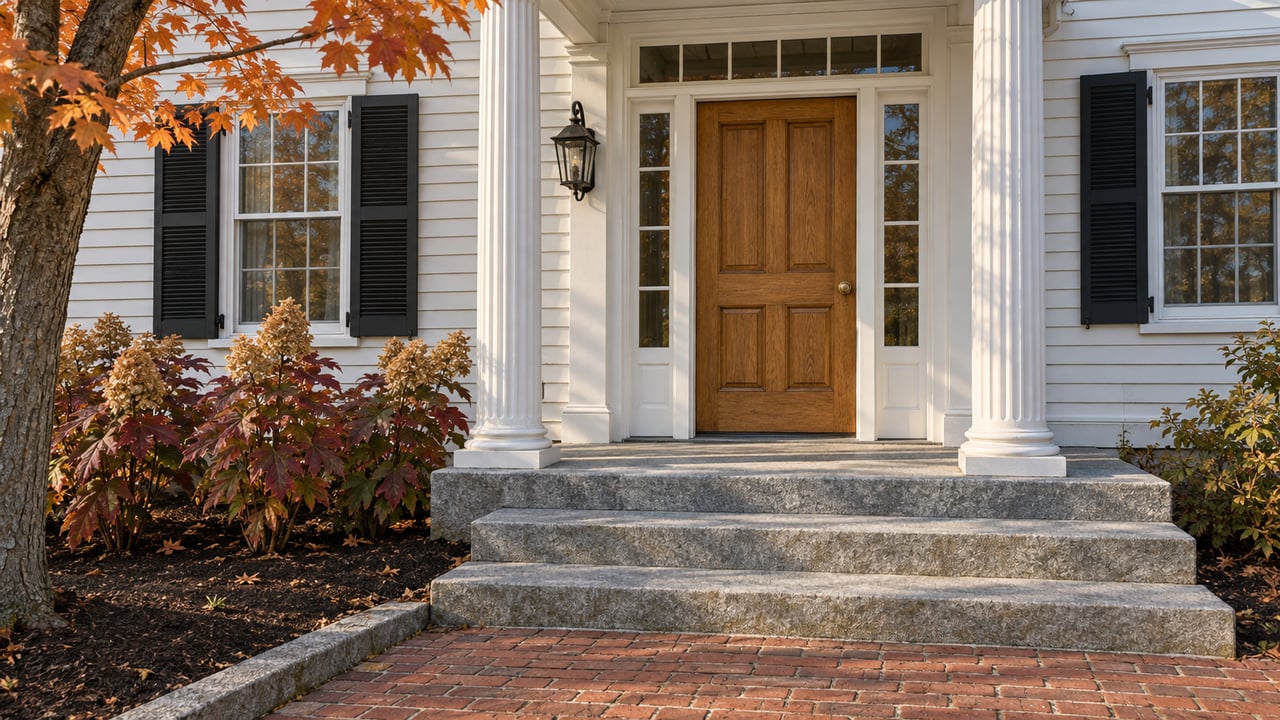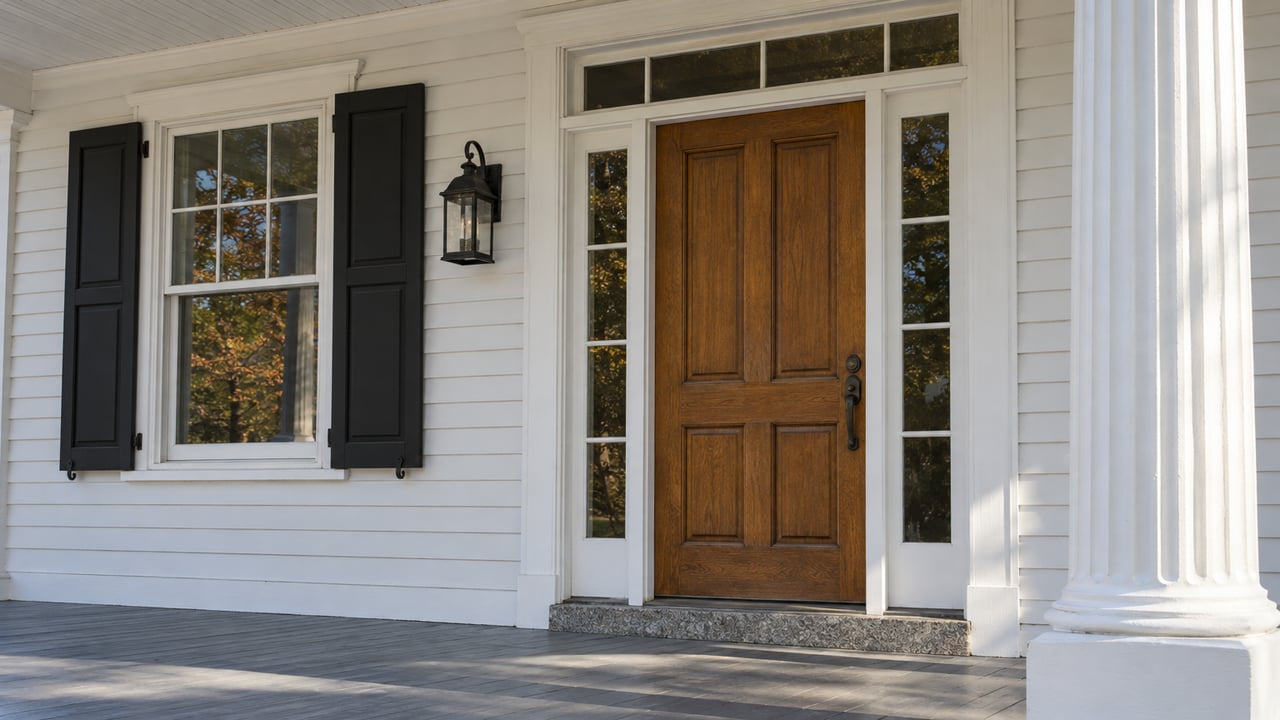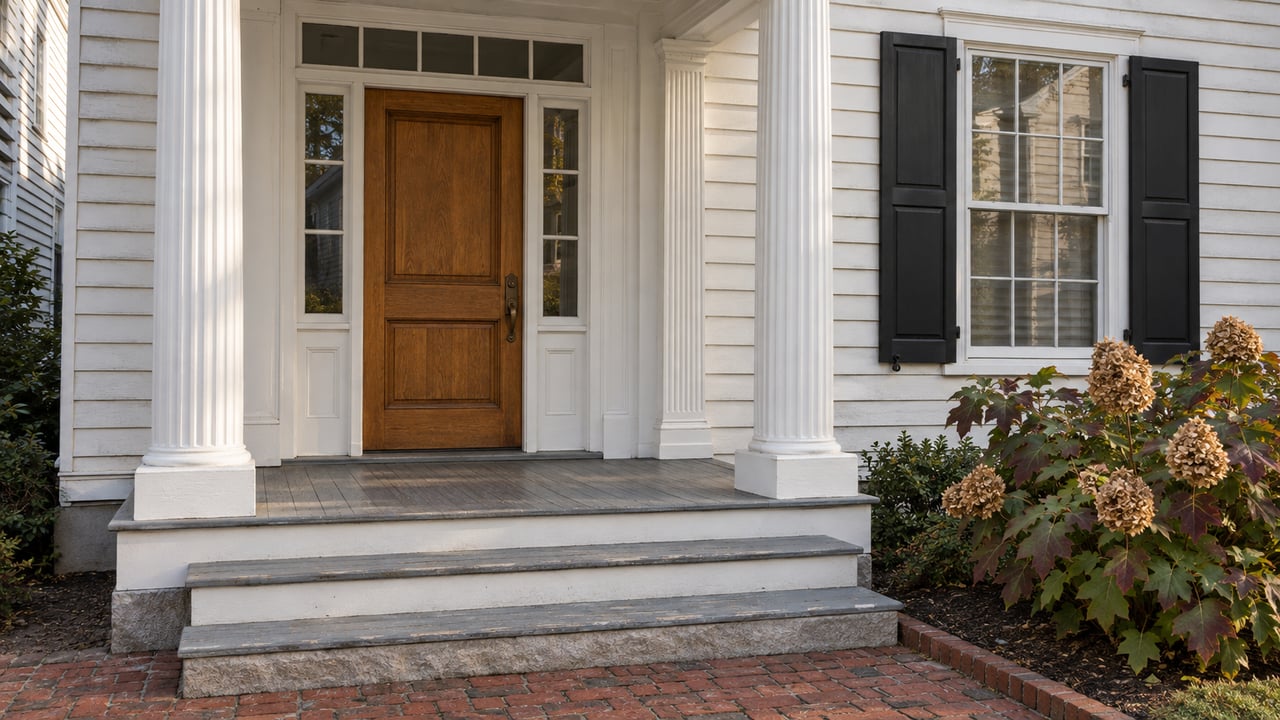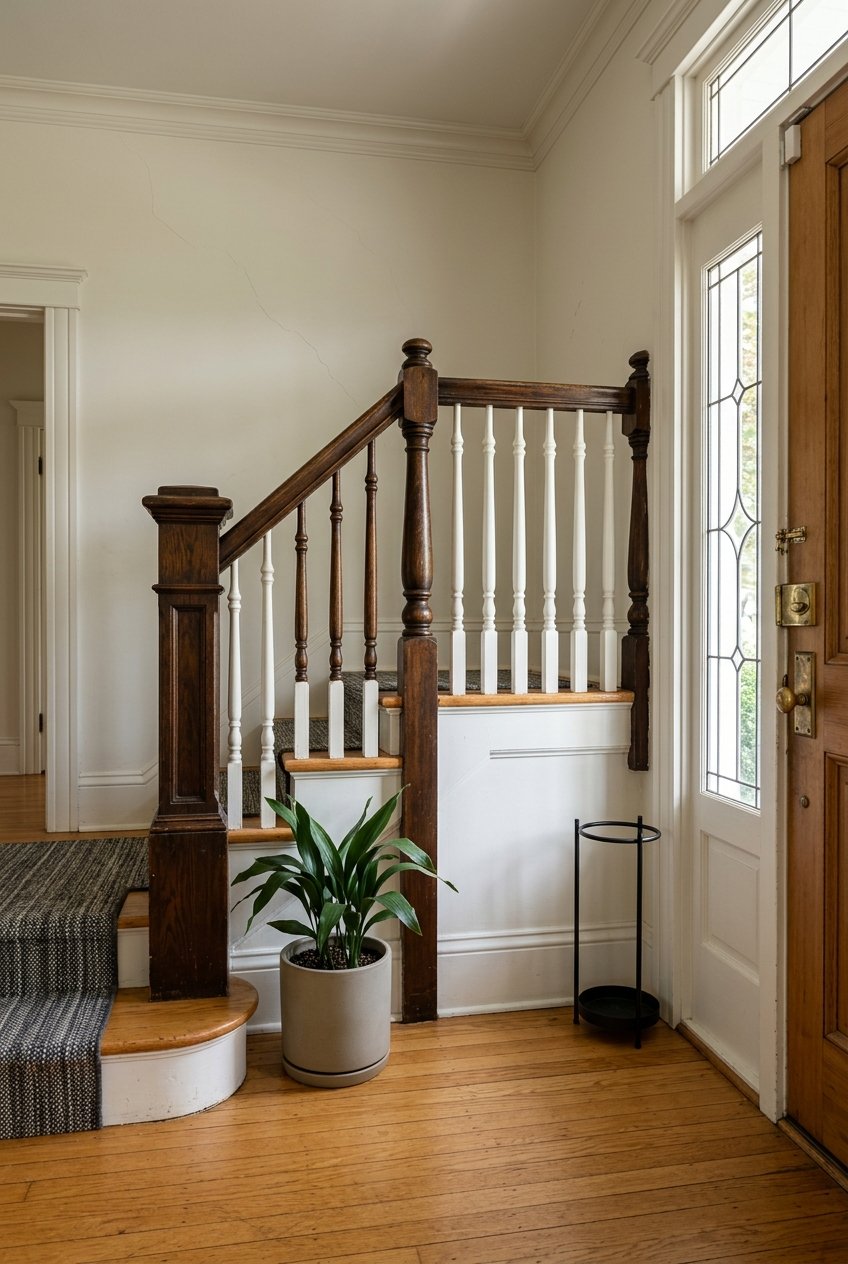
Dreaming about a historic home on Providence’s East Side? You are not alone. From elegant Federal-era details in College Hill to later Colonial Revival and Tudor Revival homes in Wayland and Blackstone, the East Side offers some of Providence’s most distinctive housing stock. If you are thinking about buying here, it helps to know what is charming, what is costly, and what needs a closer look before you commit. Let’s dive in.
East Side homes span many eras
Providence’s East Side is not one uniform historic district. It is a layered market with homes from different periods, architectural styles, and levels of preservation.
In neighborhoods like College Hill, Blackstone, Fox Point, and Wayland, you can find Federal, Georgian, Greek Revival, Italianate, Queen Anne, Colonial Revival, Shingle, and Tudor Revival homes, along with later early-20th-century and modern forms. In Blackstone, many houses blend more than one style, and Colonial Revival is especially common.
Wayland and Blackstone generally reflect later development than College Hill. Preservation records describe Wayland as a late-19th- to early-20th-century residential suburb, with most contributing buildings built between 1875 and 1930. The Blackstone Boulevard-Cole Avenue-Grotto Avenue area is similarly defined by homes built largely between 1900 and 1940.
Know the difference between old and regulated
One of the most important things to understand is that an old house is not automatically subject to the same review rules as a house in a local historic district. That distinction can shape what you are allowed to do after closing.
In Providence, local historic district zoning carries real regulatory oversight for exterior work. The Providence Historic District Commission reviews exterior changes in the city’s local historic districts, and a Certificate of Appropriateness or a letter of exemption is required before a building permit can be issued for locally designated properties.
Interior work is generally not reviewed unless it affects the exterior. For example, closing an existing window or adding a new exterior door can trigger review because it changes the outside of the building.
A plaque on the house does not settle the question. The city notes that many homes have Providence Preservation Society plaques that do not determine whether the property falls under Providence Historic District Commission jurisdiction. Before you make renovation plans, you should verify the parcel’s status through the city’s GIS mapping resources.
Inspect the building envelope carefully
With East Side historic homes, the inspection matters as much as the floor plan. Older homes can perform beautifully, but they need careful evaluation of the systems and materials that protect the structure from moisture and weather.
A strong inspection should pay close attention to the roof covering, flashing, gutters, masonry, mortar joints, windows, and any signs of basement moisture. These areas often tell you whether a home has been consistently maintained or whether deferred work may be waiting.
Historic masonry deserves extra care. Preservation guidance notes that problems often show up as cracked or deteriorated mortar, loose brick, damp walls, or damaged plaster. It also warns that hard Portland-rich repointing mortars and non-permeable coatings can worsen moisture issues by trapping water in the wall.
Foundation moisture can be part of the same story. When foundation walls absorb water, you may see damp basement conditions and related damage to nearby wood or masonry. That does not automatically make a house a bad buy, but it does mean you want a clear picture of scope, cause, and repair approach.
Windows are a major decision point
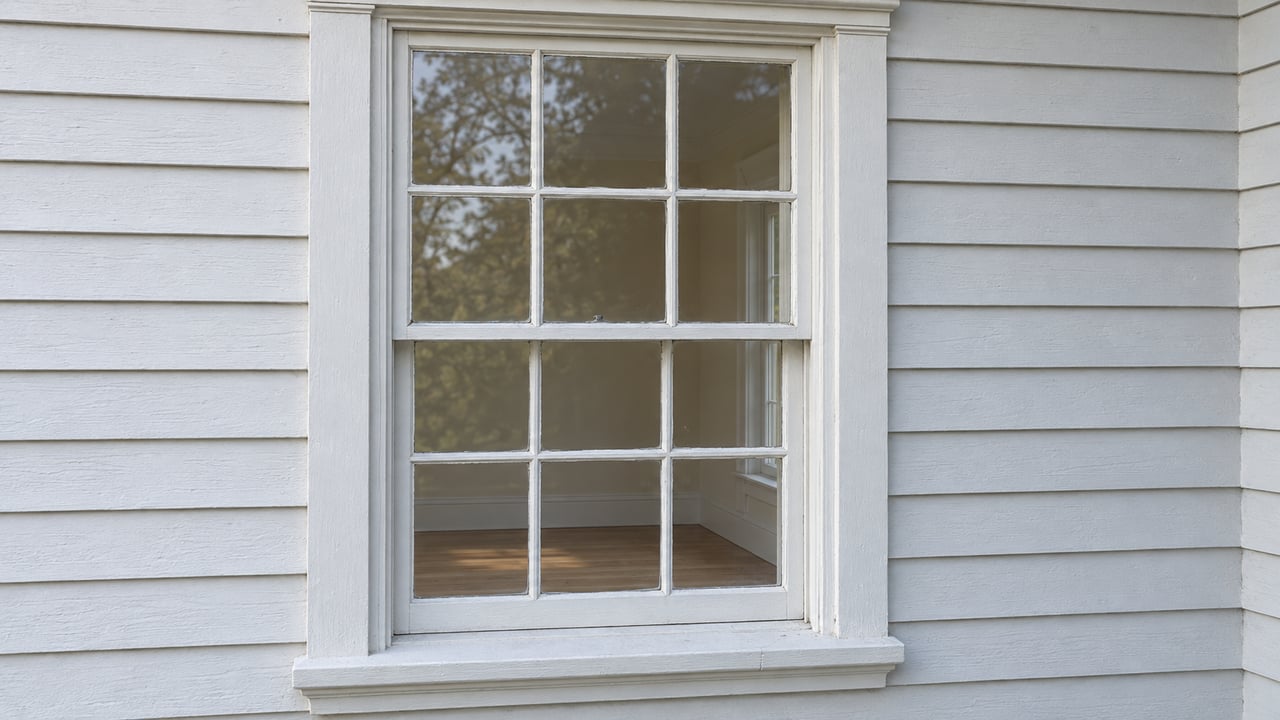
Windows often become one of the first big questions in a historic home purchase. Are they original? Are they functioning well? Can they be repaired, or are they truly beyond saving?
Preservation guidance strongly favors repair before replacement. In many cases, historic windows can be restored or improved rather than removed wholesale. If replacement is unavoidable, the new work should match the old in design, color, texture, and, where possible, materials.
For you as a buyer, the takeaway is simple: ask your inspector to distinguish between windows that need maintenance and windows that are genuinely failed. That difference can have a major impact on your renovation budget and on how the home’s historic character is preserved over time.
Lead should be addressed early
If you are buying a pre-1978 home, lead-based paint needs to be part of your due diligence. This is especially important on the East Side, where many houses were built long before 1978.
The EPA estimates that 87% of homes built before 1940 and 24% of homes built from 1960 to 1978 contain some lead-based paint. The only way to know for certain where lead is present is through a certified inspection or risk assessment.
Lead-safe practices matter most when work disturbs painted surfaces, especially friction areas like windows and doors. Even common repair or renovation projects can create hazardous dust if the work is not handled properly.
If you plan to hire contractors for work on a pre-1978 home, the EPA’s Renovation, Repair and Painting rule requires paid contractors to be certified and to follow lead-safe work practices. Rhode Island’s preservation office also makes an important point for historic homes: they are not expected to be lead-free, but they are expected to meet safety standards, and historic material does not need to be removed just to meet those standards.
Rental plans change the rules
If you are planning to owner-occupy a single-family home, Rhode Island’s recent lead-law changes do not affect you in the same way they affect rental owners. Still, lead-safe practices remain important whenever old paint is disturbed.
If you plan to rent part or all of the property, the rules become more specific. Rhode Island requires owners of rental properties built before 1978 to obtain a Certificate of Lead Conformance and register the property annually. Historic properties are not exempt from that requirement.
That makes a big difference for buyers considering an in-law setup, a multi-family purchase, or a future conversion to rental use. It is worth understanding those obligations before you close, not after.
Exterior changes may need a different mindset
Buying a historic home often means shifting from a replacement mindset to a repair-and-compatibility mindset. That can affect materials, project cost, and project timeline.
Providence’s local preservation guidance says vinyl or aluminum siding is not appropriate on historic buildings in local districts. National preservation guidance also advises that masonry repointing should use mortar compatible with the historic wall, rather than overly hard mixes that can damage older materials.
The same principle applies to windows and other visible exterior features. In many cases, the goal is not to make the house look brand new. It is to maintain or restore its character in a way that respects the original building fabric.
Historic tax credits are limited
Historic designation can sound like it comes with automatic financial perks, but the rules are narrower than many buyers expect. In Rhode Island, the state historic tax credit is for income-producing historic buildings.
That means private one- and two-family residences do not qualify. Rental, condominium, and commercial projects may qualify if they meet the program’s requirements.
It is also helpful to know what local historic district zoning does not do. According to Rhode Island’s preservation office, local historic district zoning itself does not raise taxes. Property assessments are based on fair-market value, including factors like location, condition, size, and amenities.
Appraisals focus on condition and comparables
Many buyers worry that a historic home will be harder to finance simply because it is old. In practice, age alone is usually not the issue.
For unusual or architecturally distinctive homes, appraisers may need to work harder to support value if truly similar recent sales are limited. Fannie Mae guidance allows appraisers to use older sales or sales from competing neighborhoods when they are the best available indicators, as long as the reasoning is documented.
Condition is also critical. Appraisers assess the home on its own merits, not against neighboring properties, and they must report visible deterioration, needed repairs, or hazardous materials. They are not responsible for hidden conditions, which is one reason a separate home inspection is so important.
A well-maintained older home, or one that has been thoroughly renovated, can still compare favorably in an appraisal. On the other hand, safety and soundness issues can affect financing and may need to be resolved before a loan can move forward.
What to focus on before you buy
When you are evaluating a historic home on Providence’s East Side, it helps to balance emotion with structure. The architectural details may be what pull you in, but the smartest decisions usually come from careful due diligence.
Here are a few practical questions to ask early:
- Is the property located in a local historic district?
- Has the exterior been altered, and if so, does it appear compatible with the home’s original character?
- What is the condition of the roof, masonry, windows, gutters, and basement?
- Are there visible moisture issues or signs of deferred maintenance?
- Will you be renovating right away, and if so, have you budgeted for lead-safe work practices?
- Are you planning any rental use that would trigger Rhode Island lead compliance requirements?
- Does the home’s condition support both financing and future resale?
Why local guidance matters
Buying a historic home on the East Side is rarely a cookie-cutter transaction. The right strategy depends on the neighborhood, the home’s condition, and your plans for living in it.
That is where local context makes a real difference. A house in College Hill may raise different questions than one in Wayland or Blackstone, even when both are technically historic. Understanding the building era, likely materials, district status, and approval process can help you move forward with fewer surprises.
If you are considering a historic home on Providence’s East Side, I can help you evaluate the property with a clear eye for condition, context, and long-term value. Connect with Sabine Green for thoughtful, neighborhood-focused guidance as you search.
FAQs
What kinds of historic homes are common on Providence’s East Side?
- East Side neighborhoods include a wide range of home styles, including Federal, Georgian, Greek Revival, Italianate, Queen Anne, Colonial Revival, Shingle, and Tudor Revival homes, with later development especially common in Wayland and Blackstone.
Does a Providence Preservation Society plaque mean a home is in a local historic district?
- No. The city says a plaque does not determine Providence Historic District Commission jurisdiction, so you should verify the parcel status before planning exterior work.
What should a buyer inspect first in an East Side historic home?
- Pay close attention to the building envelope, including the roof, flashing, gutters, masonry, mortar joints, windows, and basement moisture, because these areas often reveal maintenance and water-management issues.
Are original windows in a Providence historic home supposed to be replaced?
- Not usually. Preservation guidance generally favors repairing or upgrading historic windows first, with replacement used only when necessary and matched closely to the original design.
How common is lead paint in older Providence homes?
- Lead is a major concern in pre-1978 homes. The EPA estimates that 87% of homes built before 1940 contain some lead-based paint, and a certified inspection or risk assessment is the only way to confirm where it is present.
Do Rhode Island lead rules change if I rent out a historic East Side property?
- Yes. Rhode Island requires rental properties built before 1978 to obtain a Certificate of Lead Conformance and be registered annually, and historic properties are not exempt.
Do local historic districts in Providence review interior renovations?
- Generally no, unless the interior change affects the exterior, such as closing a window opening or adding a new exterior door.
Do private homeowners in Rhode Island get a historic tax credit for buying an older house?
- No. Rhode Island’s state historic tax credit is for income-producing historic buildings, so private one- and two-family residences do not qualify.