Looking for an East Side rental in Providence can feel simple at first, until you realize how much can change from one block, building, or lease to the next. If you are new to the city, you are probably trying to balance budget, commute, parking, utilities, and move-in timing all at once. The good news is that with a little local context, you can narrow your options faster and avoid common surprises. Let’s dive in.
What "East Side" Means in Providence
When renters talk about the East Side, they usually mean Fox Point, College Hill, Wayland, and Hope/Blackstone. Brown University’s neighborhood guide uses that definition and also notes an important point for newcomers: East Providence is a separate city, not part of Providence’s East Side. You can review Brown’s neighborhood breakdown in its East Side neighborhood guide.
That distinction matters because your search results, commute, and price expectations can change quickly depending on how a listing is labeled. If you are relocating, it helps to treat “East Side” as a group of related neighborhoods rather than one single rental market.
How East Side Neighborhoods Feel
The East Side is not one-note. Each area has a slightly different rhythm, which can affect what kind of rental feels like the right fit for your day-to-day life.
Fox Point rentals
Fox Point is often described as walkable, mixed, and active. Brown’s guide and GoProvidence’s Fox Point overview both point to a blend of historic homes, apartments, and a mix of students, professionals, and academics.
If you want a neighborhood with easy access to local businesses and a more connected street life, Fox Point often lands on the short list. It can be especially appealing if you want East Side convenience without feeling limited to a single housing style.
College Hill rentals
College Hill tends to feel more campus-centered. That can be a practical plus if you want close access to Brown or nearby institutional areas, but it also means your rental search may be shaped by the academic calendar and by demand from people who want to live close to campus.
For some renters, that location is worth the tradeoff. For others, parking, noise patterns, or building type may push them toward another East Side neighborhood.
Wayland rentals
Wayland is often described as quieter while still working well for graduate and medical students. If your priority is a more residential feel with East Side access, Wayland can offer a useful middle ground.
It is also a good reminder that East Side rentals are not all clustered around the same lifestyle. A neighborhood that works well for one renter may not work as well for another, even at a similar monthly rent.
Hope and Blackstone rentals
Hope/Blackstone is generally seen as pricier and more residential. If you are searching here, it helps to go in with realistic expectations about cost and inventory.
That does not mean every option is luxury-priced. It does mean that comparing lease terms, utility responsibilities, and parking arrangements is especially important when you are deciding whether a higher rent actually brings better overall value.
What Rent Looks Like Right Now
As of March and April 2026, Providence-wide average rents range from about $2,105 to $2,468, depending on the platform. On the East Side, averages tend to cluster in the mid-$2,000s, with Apartments.com market data showing East Side averages around $2,405 for a one-bedroom, $3,115 for a two-bedroom, and $3,893 for a three-bedroom.
At the same time, actual asking rents can vary a lot by building, layout, and included amenities. Brown’s off-campus listings show examples such as a Fox Point one-bedroom at $1,725 with heat and hot water included, an East Side/Wayland one-bedroom at $1,800, and a Wayland four-bedroom at $3,300 on 12-month leases, based on current Brown off-campus rental listings.
The big takeaway is simple: averages are helpful, but they do not tell the whole story. On the East Side, your monthly cost depends heavily on unit size, condition, lease length, and what is included.
What Building Types to Expect
If you are picturing one standard East Side rental product, it helps to reset that expectation. Providence’s comprehensive plan notes that housing types are not uniform within neighborhoods, and East Side sources consistently point to a mix of historic homes, apartment buildings, and varied housing stock across the area. You can see that broader context in the city’s comprehensive plan amendment.
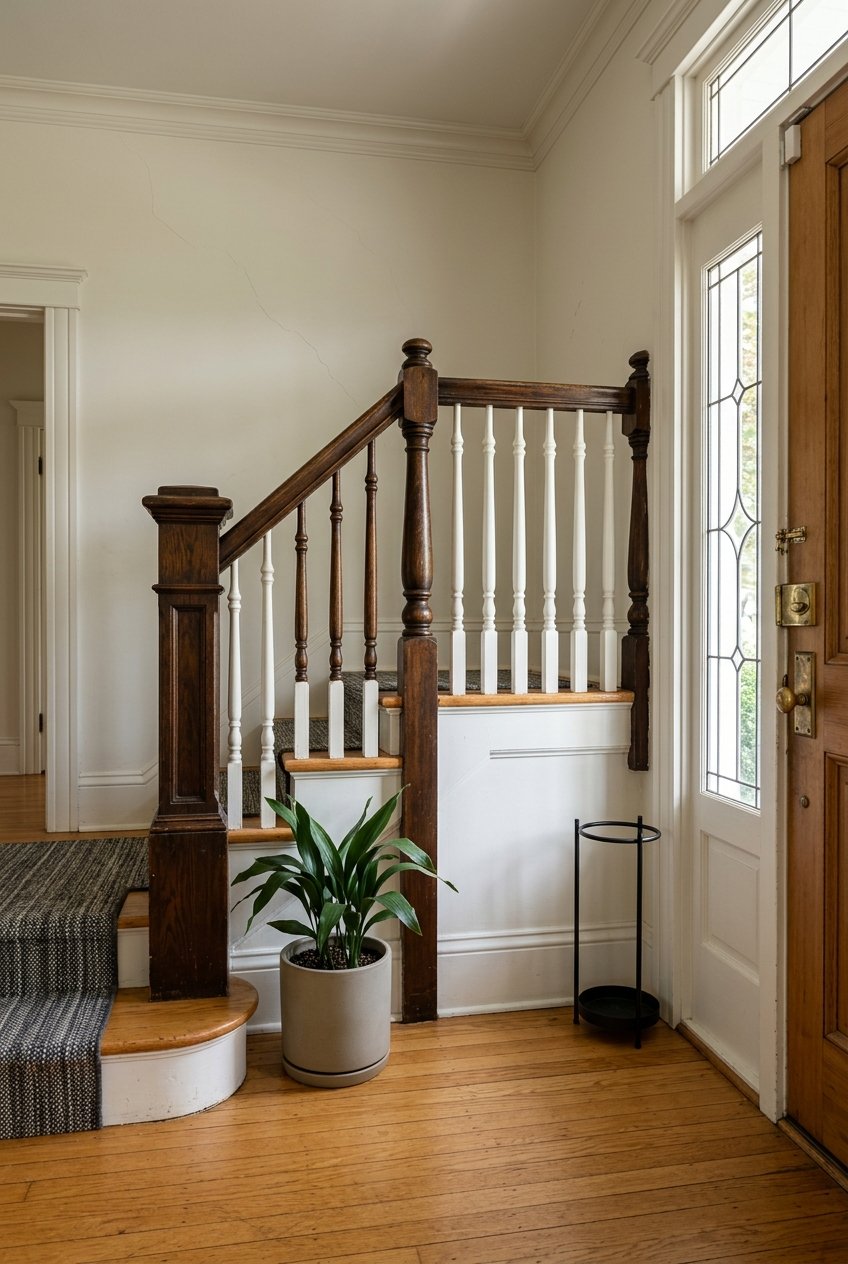
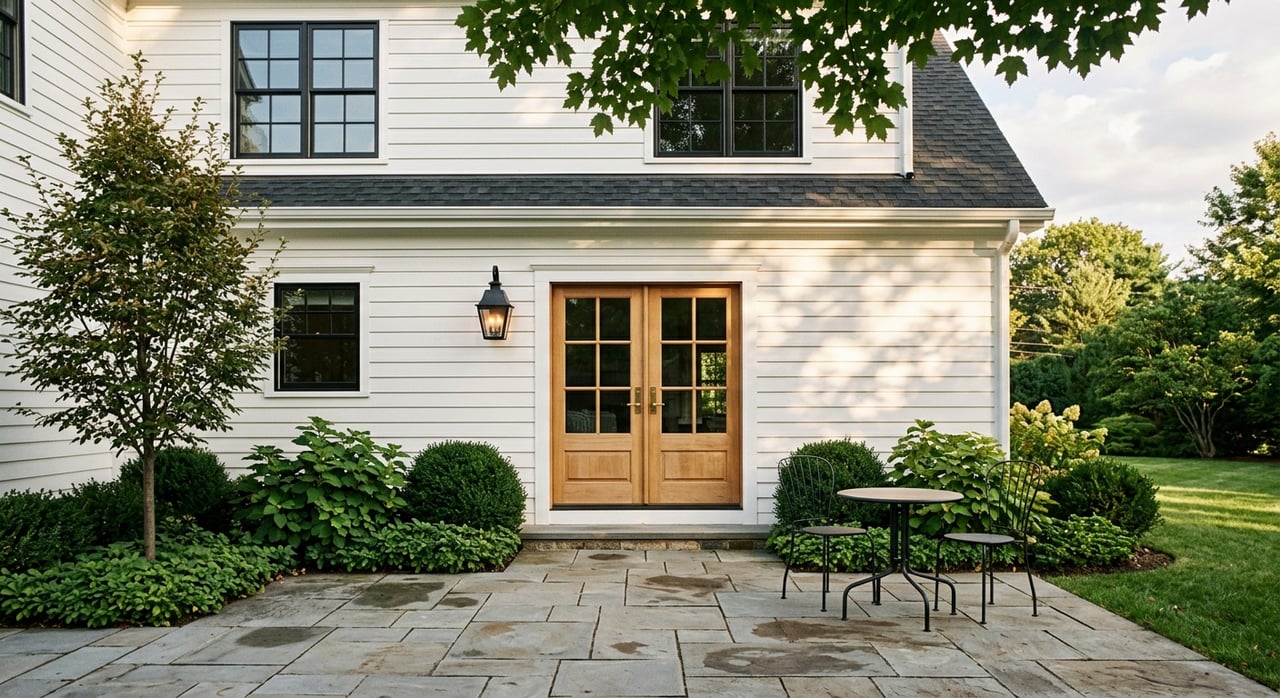
In practice, that means you may tour a unit in a historic house on one street and a more updated apartment building a few minutes away. The charm, layout, storage, utility setup, and parking situation can all differ significantly, even within the same neighborhood.
Budget Beyond Base Rent
One of the easiest mistakes for a new renter is focusing only on monthly rent. Brown’s off-campus housing guide recommends budgeting for heat, hot water, gas, electricity, parking, and internet, because those costs are not always included. You can review those renter basics in Brown’s guide to living off campus.
That is why two apartments with similar rent can feel very different financially. A lower-rent unit may end up costing more overall if you are paying several utilities separately or need to add off-street parking.
What to Expect in the Lease Process
Many East Side rentals ask for standard screening materials. Based on current Brown off-campus listings, that can include credit and income verification, background checks, references, renters insurance, and policies related to pets or smoking.
If you are moving from another city, it helps to gather your paperwork early. Having proof of income, references, and identification ready can make it easier to apply quickly when you find a rental that fits.
Rhode Island Rules Every Renter Should Know
Understanding a few Rhode Island basics can make your move smoother and help you ask better questions before signing. According to the Rhode Island landlord-tenant handbook, a security deposit cannot exceed one month’s rent.
The handbook also says the deposit must generally be returned within 20 days after move-out, return of keys, and delivery of a forwarding address, along with an itemized list of any lawful deductions. That is useful to know before your lease even begins, since good records at move-in often make move-out simpler.
Brown’s off-campus guide also notes that landlords must provide a fit and habitable unit at the start of the lease. It recommends completing a move-in report so any pre-existing issues are documented clearly from day one.
Another practical rule involves entry. Brown states that landlords generally need 48 hours’ notice before entering, except in emergencies. If your lease includes subleasing language, Brown also recommends making sure those terms are written clearly into the lease.
For shared rentals, it is also worth noting that Providence zoning can limit how many unrelated people may live together in one unit or house. And under the handbook, landlords must maintain essential services and provide heat at 68 degrees from October 1 through May 1, unless the heating system is fully controlled by the tenant.
Timing Your East Side Rental Search
Timing matters on the East Side. Brown’s 2026 family calendar lists first-year move-in on September 2, 2026, and current off-campus listings often show June 1, July 1, and September 1 move-in dates, with some listings even running on a September-to-May academic schedule. You can see those timing signals on Brown’s important dates calendar.
The practical lesson is that availability often tightens around the academic cycle. If you hope to move in during late summer, starting early can give you better selection and more time to compare tradeoffs instead of rushing into the first acceptable option.
How to Compare East Side Rentals Well
When you are new to Providence, it helps to compare rentals through a practical lens, not just by rent alone. A unit that looks great online may feel less compelling once you factor in commute, lease length, parking, utility setup, or building layout.
A simple checklist can help you stay organized:
- Confirm which utilities are included
- Ask about parking availability and cost
- Review lease length and renewal terms
- Check move-in date flexibility
- Understand pet or smoking policies
- Document condition at move-in
- Clarify sublease terms if relevant
- Make sure shared occupancy fits local rules
This kind of side-by-side comparison is especially useful on the East Side, where housing stock and lease structures vary so widely.
Renting Now, Buying Later
For many new Providence residents, renting on the East Side is not just a short-term housing decision. It can also be a way to learn the city before buying.
That matters because East Side sale prices are notably higher than Providence overall. Realtor.com market data for Providence shows a Providence median listing price of $429,900, compared with an East Side median listing price of $649,000 and a Wayland median listing price of $1,095,000.
If you think you may buy in the future, your lease can do double duty. It gives you a place to live now while helping you learn which neighborhood, commute pattern, and housing style actually fit your life.
Why Local Guidance Helps
An East Side rental search is rarely just about finding an open apartment. It is about finding the right match for how you live, work, and move through Providence.
That is where local context can make a real difference. Comparing Fox Point, College Hill, Wayland, and nearby East Side options by commute, parking, utility setup, and lease timing can help you make a move that works now while keeping future options open.
If you are planning a move to Providence and want a calm, informed approach to the East Side rental market, Sabine Green can help you sort through the options with clear guidance and neighborhood insight.
FAQs
What neighborhoods are usually included in Providence’s East Side rental market?
- East Side rentals usually refer to Fox Point, College Hill, Wayland, and Hope/Blackstone, according to Brown University’s neighborhood guide.
What is the average rent for East Side apartments in Providence?
- As of March and April 2026, East Side rents generally cluster in the mid-$2,000s, with Apartments.com showing averages of $2,405 for one-bedrooms, $3,115 for two-bedrooms, and $3,893 for three-bedrooms.
What costs should new Providence renters budget for besides rent?
- You should also budget for possible costs like heat, hot water, gas, electricity, parking, and internet, since these are not always included in East Side leases.
What is the Rhode Island security deposit rule for Providence rentals?
- Under the Rhode Island landlord-tenant handbook, a security deposit cannot exceed one month’s rent and generally must be returned within 20 days after move-out, key return, and delivery of a forwarding address, with any lawful deductions itemized.
When should you start searching for an East Side rental in Providence?
- Because many East Side rentals align with June 1, July 1, and September 1 move-ins and demand can tighten around the academic calendar, it is smart to start your search well before a late-summer move.
Can renting on Providence’s East Side help you prepare to buy later?
- Yes. Renting can help you learn the differences between East Side neighborhoods before making a purchase decision, which is especially helpful in an area where listing prices are higher than the Providence median.