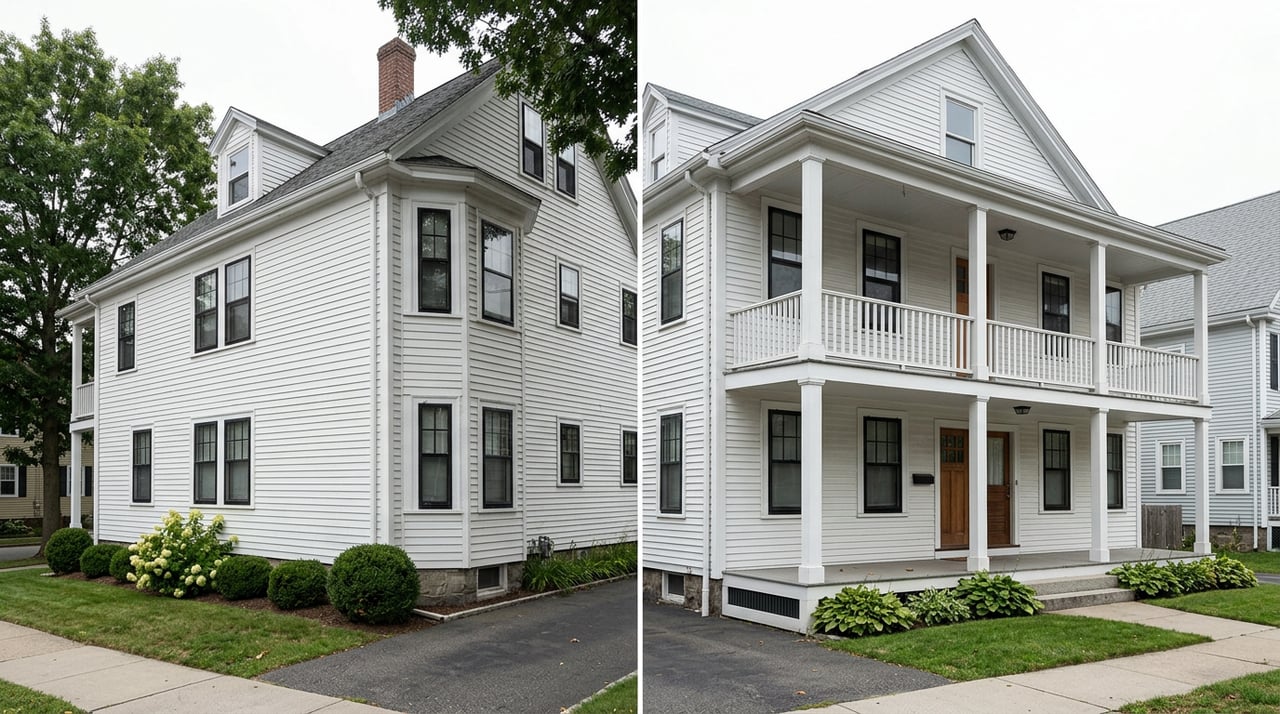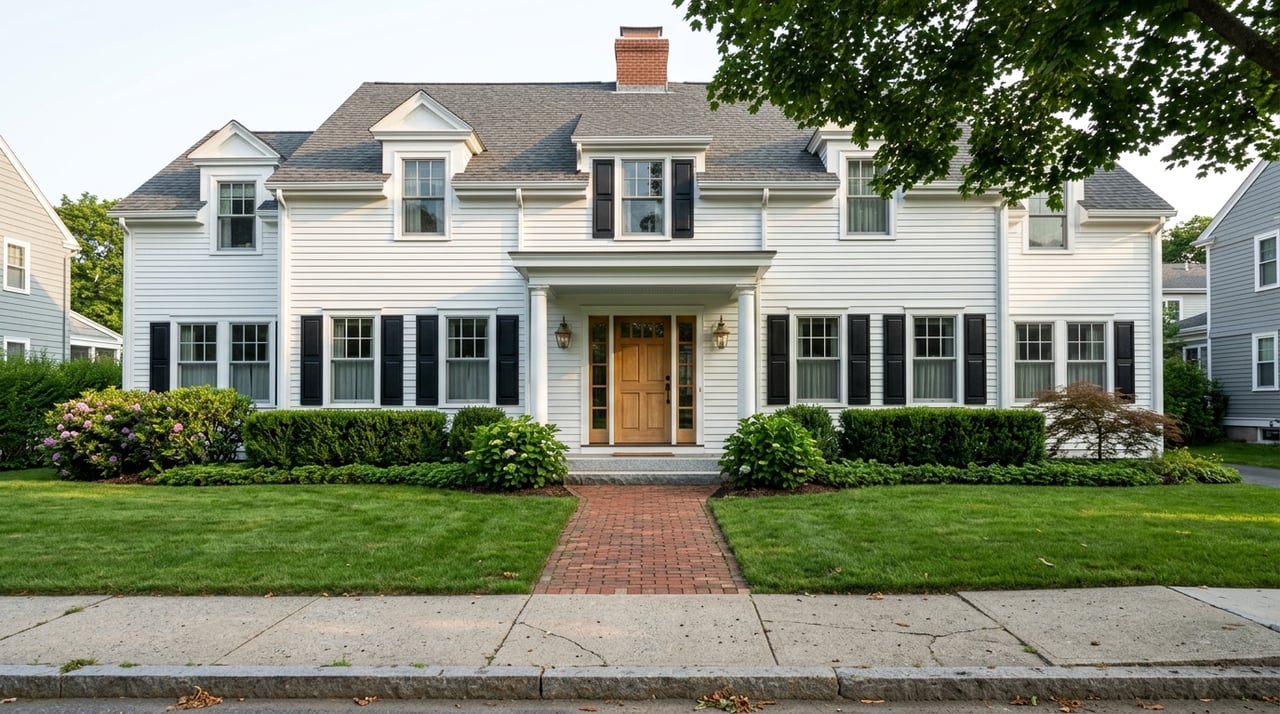
If you want to understand why so many people are drawn to Providence’s East Side, spend a weekend there. In just a day or two, you can move from historic streets and museum stops to neighborhood coffee shops, shady walking paths, and relaxed dinner spots without covering much ground. That mix of charm, convenience, and local character is exactly what makes the East Side feel so livable. Let’s dive in.
Why the East Side feels distinct
Providence’s East Side is not one single strip or one uniform neighborhood. It is better understood as a group of connected districts, including College Hill, Wayland Square, Wickenden Street, Fox Point, the Hope Street area, and often Blackstone Boulevard and Rochambeau.
That patchwork is part of the appeal. You can spend the same weekend walking past preserved historic architecture on College Hill, browsing independent businesses on Hope or Wickenden, and winding down in a more polished neighborhood setting like Wayland Square.
Brown describes the area around campus as residential and friendly, with housing, groceries, cafés, and restaurants within walking distance. GoProvidence highlights the blend of preserved history with galleries, restaurants, and shops, which is a useful way to think about the East Side as a whole.
Start your morning like a local
A good East Side weekend usually starts with coffee and an easy walk. Rather than one big destination, the neighborhood offers several small clusters where you can settle into the morning at your own pace.
Wickenden Street coffee stop
Coffee Exchange is one of the clearest East Side staples. It has been a Providence café and coffee roastery since 1984, and it sits right on Wickenden Street at 207 Wickenden.
That location makes it an easy jumping-off point for the rest of your day. Wickenden is known for its independent shops, galleries, salons, pubs, and restaurants, so even a simple coffee run tends to turn into a neighborhood stroll.
Hope Street brunch rhythm
If you head toward Hope Street, the tone is a little different but just as appealing. Café Zoey serves crepes, pastries, coffee, and espresso, and the area also includes spots like Seven Stars Bakery nearby.
The Hope Street area stands out for its concentration of independently owned businesses. That gives the street an easy, local feel that works especially well for a slow Saturday morning.
Thayer and nearby streets
Around College Hill, Brown notes that Thayer Street and nearby streets offer a broad mix of coffee spots and food options. If you like having choices close together, this part of the East Side makes it easy to keep the morning flexible.
Add art, history, and architecture
One of the East Side’s biggest strengths is how naturally arts and history fit into a casual weekend. You do not need to plan a formal itinerary to enjoy that side of the neighborhood.
RISD Museum for a classic stop
The RISD Museum is one of the area’s anchor destinations. It holds more than 100,000 works and is open Tuesday, Wednesday, Friday, Saturday, and Sunday, with free admission on Sundays.
If you are planning a weekend route, it is an easy centerpiece. You can pair it with coffee nearby, then continue on foot through College Hill.
Providence Art Club for a smaller-scale visit
If you prefer a quieter arts stop, Providence Art Club offers galleries that are free and open to the public Sunday through Friday. The club also emphasizes exhibitions, art classes, lectures, and public receptions in its historic Thomas Street buildings.
It feels intimate and local, which fits the East Side well. This is the kind of place that helps you appreciate the neighborhood’s creative identity without needing a full afternoon.
Benefit Street and the Athenaeum
A walk along Benefit Street is one of the simplest ways to experience the East Side’s architectural character. Brown and GoProvidence both point to the street for its 18th- and 19th-century architecture, and it remains one of the area’s most memorable settings.
Along the way, the Providence Athenaeum adds another layer of atmosphere. Located at 251 Benefit Street, it describes itself as both a historic space and a contemporary lending library, which suits the old-meets-current feel of College Hill.
Build in time outdoors
The East Side is easy to enjoy on foot, and its outdoor spaces are part of what gives the area such a strong weekend rhythm. You can make the day feel active without planning anything complicated.
Blackstone Boulevard walk or run
Blackstone Boulevard is one of the East Side’s defining outdoor amenities. The median path runs for 1.6 miles and is bordered by bicycle lanes, with mature trees and benches along the way.
It is heavily used by walkers and runners, and it makes sense as a simple weekend routine. Coffee first, then a walk under the trees, is about as East Side as it gets.
India Point Park by the water
If you want a different setting, India Point Park brings you closer to the water. The city describes it as an 18-acre historic park with walking paths, seating areas, a boathouse, playground space, a pedestrian bridge into Fox Point, and connections to the East Bay Bike Path.
It also hosts festivals and concerts, which gives the space a broader community role. On a quieter day, it is simply a pleasant place to slow down and take in the waterfront.
Lippitt Park farmers market
For a practical Saturday stop, Brown notes that the Lippitt Park farmers market runs from 9 a.m. to 1 p.m. It is the kind of recurring neighborhood ritual that can anchor a weekend without requiring much planning.
Prospect Terrace views
If you want a short scenic stop, Prospect Terrace offers city views from College Hill. It is a small addition to the day, but it rounds out the East Side’s mix of history, walkability, and visual appeal.
Explore each district’s personality
Part of the East Side’s appeal is that each pocket has its own feel. That gives you options, whether you want a low-key afternoon, a shopping walk, or a relaxed evening out.
Hope Street
Hope Street is shaped by independently owned, owner-operated businesses and a broad mix of international cuisine. It feels neighborhood-focused and steady, with enough variety to keep a weekend outing interesting.
Wickenden and Fox Point
Wickenden has an especially local, layered identity. WAMA describes it as a street of independent shops, galleries, salons, pubs, and restaurants, while Brown notes Fox Point’s strong Portuguese identity and character.
Together, that creates a part of the East Side that feels visibly rooted in place. It is one of the best areas to explore without a strict plan.
Wayland Square
Wayland Square brings a different kind of ease. GoProvidence describes it as a walkable neighborhood with classic New England character and city conveniences nearby.
For many people, this area captures what makes the East Side so appealing day to day. It feels polished but comfortable, with shops and dining woven into a compact neighborhood setting.
End the day with an easy dinner
The East Side does not require a big night out to feel complete. Its evening rhythm is often more about comfort, conversation, and staying close to the neighborhood.
Hope Street offers a range of dining options, including places listed in the neighborhood directory such as Pizzico Oyster Bar, Wara Wara, and Ivy Tavern. Wickenden adds more restaurants and pubs, along with the same independent feel that defines the street during the day.
In Wayland Square, The Wayland is positioned as a neighborhood bar centered on comfort, conversation, and hospitality. That relaxed style sums up the East Side well. After a day of walking, browsing, and taking in the neighborhood, you do not need much more.
Why this matters if you’re thinking of moving here
A weekend on the East Side gives you more than a list of places to visit. It shows you how the neighborhood works in real life, with walkable pockets, distinct local business districts, outdoor space, and a strong sense of history and culture.
If you are considering a move to Providence, that everyday rhythm matters. The East Side’s appeal is not only in its architecture or its landmarks, but in how naturally daily life can unfold across these connected neighborhoods.
As someone who works closely with buyers, sellers, and renters across Providence, I find that the East Side stands out for exactly this reason. It offers variety without losing its neighborhood feel, and it rewards people who care about character, convenience, and a strong sense of place.
If you’re curious about East Side homes, condos, or rentals, or you want help understanding which pocket of the neighborhood might fit you best, Sabine Green is here to help.
FAQs
What areas are considered Providence’s East Side?
- Providence’s East Side is commonly understood as a group of neighborhoods and districts that includes College Hill, Wayland Square, Wickenden Street, Fox Point, the Hope Street area, and often Blackstone Boulevard and Rochambeau.
What can you do on a weekend on Providence’s East Side?
- A typical East Side weekend can include coffee or brunch on Hope Street or Wickenden, a museum or gallery stop near College Hill, a walk on Blackstone Boulevard or at India Point Park, and dinner in Wayland Square, Hope Street, or Wickenden.
Where should you get coffee on Providence’s East Side?
- Coffee Exchange on Wickenden Street is a longtime local anchor, and Café Zoey and nearby bakeries on Hope Street also make strong morning stops.
What outdoor spots are worth visiting on Providence’s East Side?
- Blackstone Boulevard, India Point Park, Lippitt Park, and Prospect Terrace each offer a different outdoor experience, from walking paths and waterfront views to farmers market visits and city overlooks.
What makes Providence’s East Side feel different from other neighborhoods?
- The East Side stands out for its blend of historic architecture, arts and culture, walkable business districts, independent local shops, and connected neighborhood pockets rather than one single center.